
The company that customers love
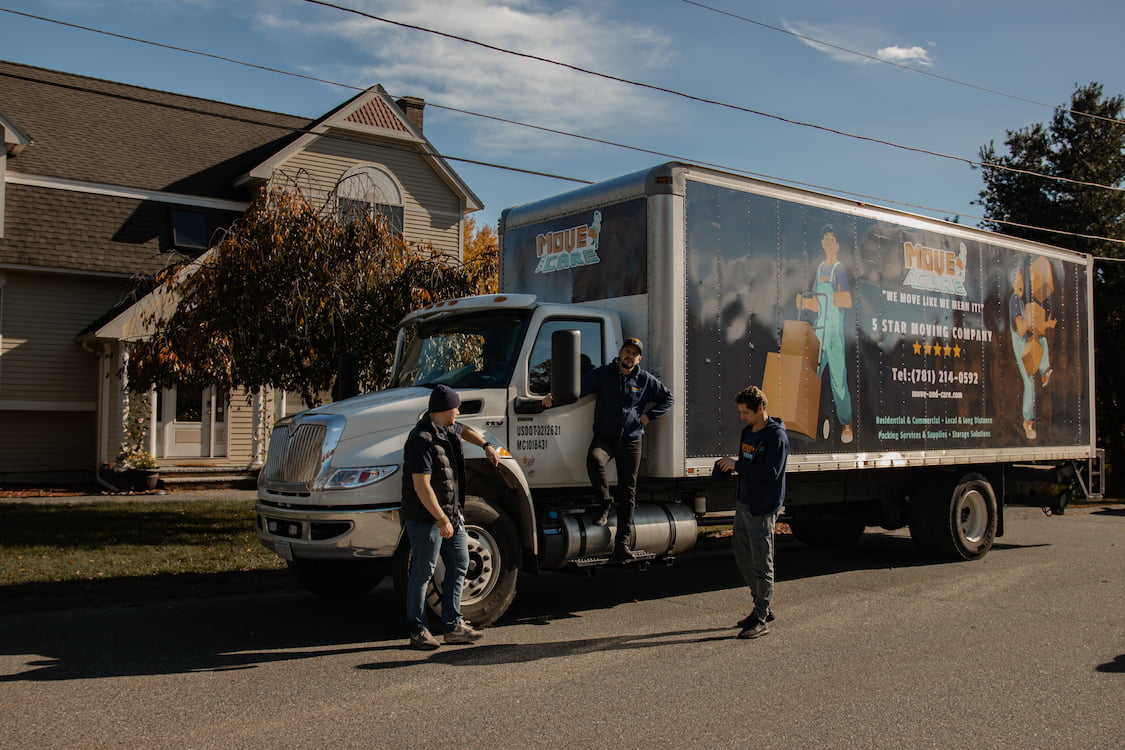
Move and Care strives to satisfy our client's needs 100%. Our company is well-reviewed, so we are not shy about showing over 2500 reviews of our company in Boston, Austin, San Antonio, Charlotte and Irvine! Explore the reviews and get an idea of our company.
Read Move and Care ReviewsThe company with a reputation
Move and Care has managed to become one of the best moving companies. Our company is based in Boston, MA; Austin, TX; San Antonio, TX; Charlotte, NC and Irvine, CA. We are also very familiar with Charlotte, NC and it is part of our area of work.
Check Our Licenses and Awards


Our San Francisco to Charlotte, NC Moving Services

Residential Moving
Service for smooth and easy family moves

Commercial Moving
Smooth business moving to keep the business running

Packing Services & Supplies
Complete packing help and quality materials

Storage Solutions
Safe storage spaces for your items, available anytime

Piano Moving
Skilled piano transport to maintain condition.

White Glove Moving
Moving services with extra care for valuable items

Senior Moving
Gentle and efficient relocations for seniors.
What Customers Say About Us
Influencers who move with Move & Care
Hear how creators and community leaders describe their move-day experience, from booking to the moment every box is in place.
Our Text Reviews
Know Your Moving Cost Today
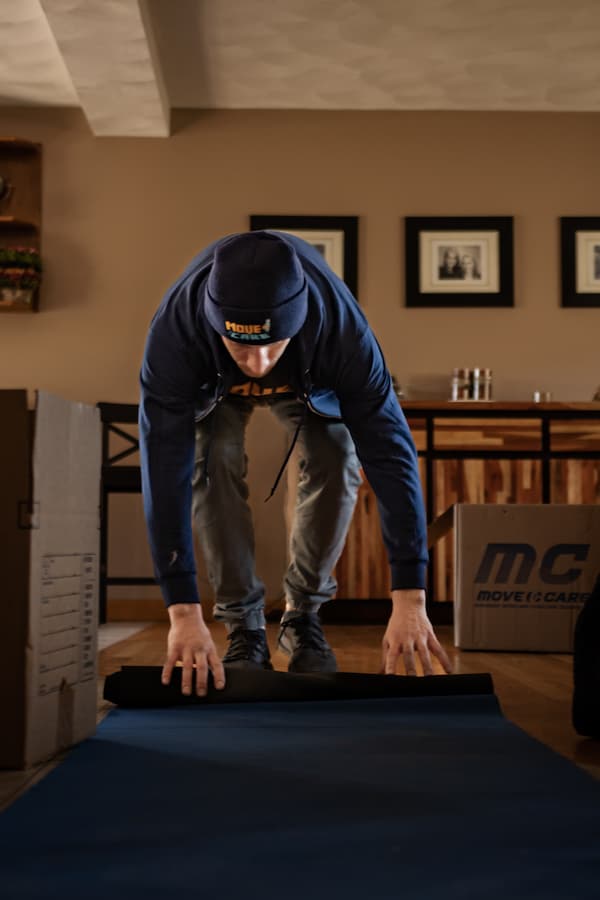
Why We're a Trusted
moving company from San Francisco to
Charlotte, NC
Choosing Move and Care for your move from San Francisco to
Charlotte, NC means the same crews that run our local moves in
San Francisco load the truck, and the destination is handled by a coordinator who
has driven the route.
When you choose Move and Care for your move from San Francisco to
Charlotte, NC, you get a moving crew that knows the ins and outs of long-distance moves — from careful packing to
on-time delivery — making the entire process smooth, quick, and safe.
More About us

Fully Licensed & Insured
We are legally authorized to handle moves of any type and distance. Licenses: USDOT #3212621; MC #1018431; NCUC #C-3067; TXDMV #009636518C.

Cost Efficiency
We offer flexible pricing options. Flat rates with a binding moving quote and tailored plans — so you know exactly what to expect with no hidden costs.

Full-Service
We manage everything: careful packing, secure loading, route planning, delivery, and even unpacking at your new house.

Safety
Our movers use professional packing techniques, every truck is GPS-tracked, and insurance coverage is included — so your belongings arrive just as they left.
What you get by moving from San Francisco to Charlotte, NC with us?

Loading and Unloading
We will load into the truck and unload at a new place all of
your items.

Gas, Tolls
Our moving company rates include all the charges, no hidden
fees.

Dedicated Manager
Our dedicated manager will walk you through the whole moving
process.

Transportation
Our Company makes sure all of your belongings are safe during
delivery.

Moving Insurance
Insurance coverage helps save your items from unexpected
damages.

Assemble and Disassemble
We make sure your furniture is Assembled and Disassembled.




Our Licenses & Awards
We’ve helped over 5,000 people move safely — from single-bedroom apartments to 5-bedroom houses and full office moves. Our team has completed more than 1,200 long-distance moves across the U.S., always on time and with belongings protected. With licensed movers, GPS-tracked trucks, and full packing support, we make sure every step of your move is handled with care you can count on.
See Price Estimate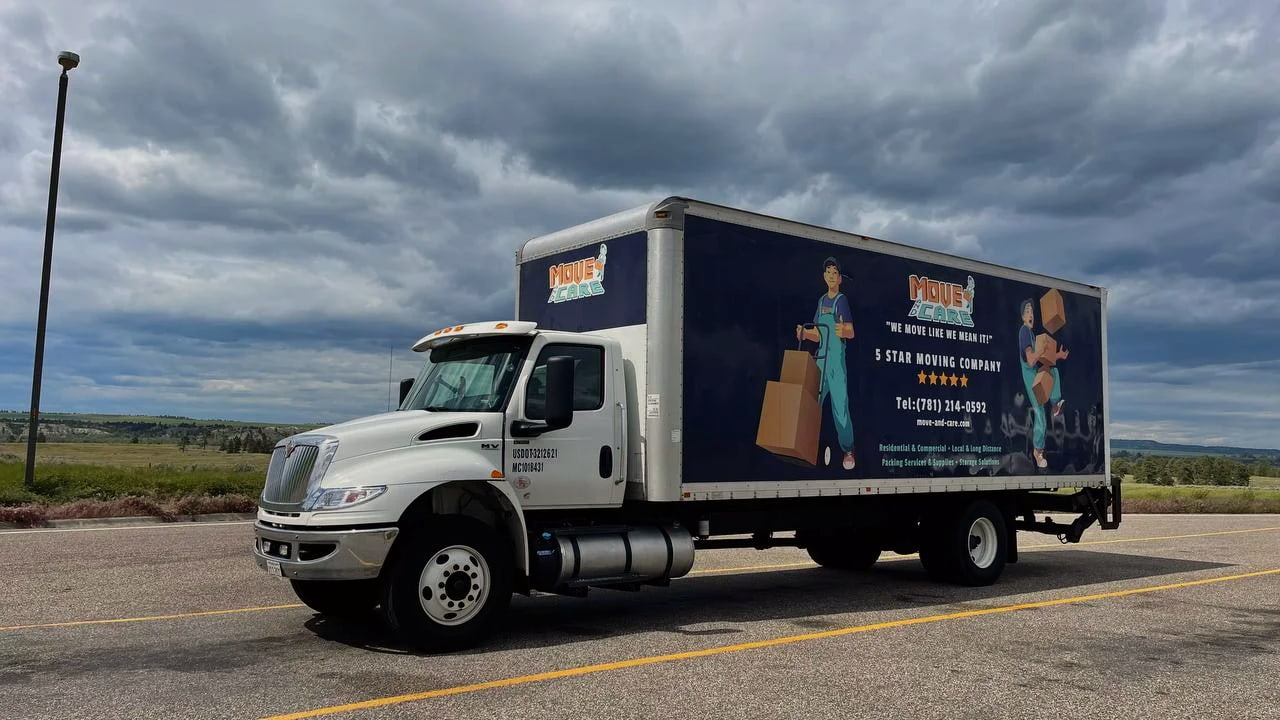

USDOT
3212621
MA DPU
31854
NCUC
C-3067
TXDMV
009636518C







Have Questions?
Ask Professional
How Much Does It Cost to Move From California to North Carolina?
A low starting number isn't a real estimate if no one has asked what's in your home, how the crew reaches it, or what needs packing. That gap is where most surprise charges come from — and they show up in the estimate long before they show up at delivery.
For a California-to-North-Carolina move, most households can expect a range of roughly $4,000 to $10,000+. The range is wide because the price depends on the details of your specific move, not on an average.
What affects your final price
The main variables that move your price up or down:
- Shipment weight and volume — how much you're actually moving.
- Distance — the full 2,700-mile haul is the baseline here.
- Season and timing — summer and month-end tend to be busier.
- Packing services — full or partial packing, plus materials.
- Shuttle truck fees — if a full-size trailer can't reach your San Francisco door (common on steep or narrow streets), a smaller shuttle truck may be needed to bridge the gap. That's a route-specific cost worth asking about up front.
- Valuation coverage — basic protection versus Full Value Protection (more on that below).
- Specialty and heavy items — pianos, safes, oversized furniture.
Because these variables change the actual work, an accurate price comes from an inventory and estimate, not a table of averages.
For long-distance moves, Move and Care sets a flat rate based on the confirmed details of your move (read more about how our long-distance pricing works). The price doesn't climb just because the drive runs long — it's set on what you and the crew agreed to before move day. If your item list changes before the move, update the estimate so the flat rate still matches the job.
Rather than rely on averages, send your inventory and access details and get a personalized estimate for your move.
How Long Does the SF to Charlotte Move Take?
The hardest part of a cross-country move often isn't the cost — it's the days you spend without your things. Some movers quote a single delivery day and hope it holds. A 2,700-mile move doesn't work that way, and it's worth knowing why before you book.
The main factor is whether your shipment travels on a dedicated truck or a shared one.
Dedicated truck vs shared (van line) truck timelines
Dedicated truck
Your shipment is the only one on the truck. It goes straight from San Francisco to Charlotte, so transit is usually shorter — roughly 5 to 8 days.
Shared / consolidated (van line) truck
Your belongings share space with other shipments heading the same direction. The truck may make additional stops for pickups and deliveries, which widens the window to roughly 7 to 21 days.
Either way, movers operate under federal DOT hours-of-service limits that cap how long a driver can be on the road each day. That's the main reason a 2,700-mile move can't be instant — no legitimate carrier can drive it straight through without required rest.
For that reason, interstate moves are planned around a delivery window, not a fixed calendar date. Ask your mover which model your shipment uses and what window applies, so your expectations match how the route actually runs.
How to Choose a Reliable Interstate Mover (and Avoid Scams)
Rogue and unlicensed movers are a real risk on long-distance jobs, and the warning signs usually show up before booking — in an estimate no one asked questions to build, or a company that can't be verified anywhere. Here's how to check a mover before you hand over your move.
Verify USDOT and MC numbers and understand the 110% rule
Every legitimate interstate mover has a USDOT number and an MC number issued for interstate carrier authority. You can look these up and confirm a company is registered and authorized before you book.
There's a federal rule worth knowing: under official FMCSA moving regulations, on a non-binding estimate, a mover cannot require you to pay more than 110% of the estimated amount at delivery. Anything beyond that must be billed later, not held over your belongings.
The broker-versus-carrier distinction matters here too. A broker arranges your move but doesn't perform it; a carrier owns the trucks and employs the crews. Move and Care is a carrier, and you can verify it the same way this guide teaches: USDOT #3212621, MC #1018431, and for North Carolina intrastate authority, NCUC #C-3067. Check any interstate mover, including this one, before you book.
Released Value vs Full Value Protection
Coverage shouldn't become clear only after something breaks. On a 2,700-mile move, it's worth deciding this before the truck loads.
Interstate movers offer two basic levels of liability:
Released Value Protection
The basic, no-additional-cost option. Liability is limited to $0.60 per pound, per article. If a 40-pound item is damaged, that's coverage of about $24 — regardless of what the item is worth.
Full Value Protection
Available for an additional charge. The mover is liable for the repair or replacement value of items, which matters far more for high-value belongings on a long haul.
Move and Care's coverage maps to these FMCSA valuation and insurance guidelines: Released Value Protection is included at no extra cost, and Full Value Protection is available for an additional charge. Decide which one fits your shipment before move day, and confirm it in writing.
San Francisco Move-Out Logistics
A parking permit itself is easy to get. The problem is finding out on move day that you don't have one — and there's nowhere legal to put a 53-foot trailer. San Francisco is one of the harder origin cities in the country, and the fixes all happen before the crew arrives.
SFMTA parking permits and posting timelines
To reserve curb space for a moving truck in San Francisco, you generally need SFMTA Temporary No Parking permits (TNP), plus posted signs put up in advance so the space is legally cleared on move day.
The SFMTA requires at least 5 business days' notice to process the permit. Because timing can be tight, it's safer to plan for 7 to 10 days so you're not caught short.
The customer is responsible for securing parking permits. Move and Care can advise you on access, parking, and building requirements, but it does not automatically pull SFMTA permits on your behalf. Apply early — it's the single step that most often protects your move-day schedule — and we'll advise you on what your specific address needs.
Steep hills, narrow streets, and shuttle trucks
Neighborhoods like Nob Hill and Russian Hill come with steep grades and narrow one-way streets, and a full-size 53-foot trailer often can't physically reach the door in those areas.
When that's the case, the crew uses a smaller shuttle truck to move your belongings between your home and the larger truck parked where it can legally and safely fit. It's a normal part of many San Francisco moves — just one that carries a fee and should be identified in your estimate, not discovered on the day.
If your building is a high-rise or luxury property, it may also require a Certificate of Insurance (COI) and a reserved freight elevator. Send those requirements early — Move and Care can prepare a COI when a building requires it and you supply the details.
Moving Into Charlotte: Destination Logistics
The Charlotte side has its own rules, and — like the origin side — the ones that cause trouble are the ones found out too late. Here's what to sort before the truck arrives.
CDOT right-of-way permits and residential parking zones
If a moving truck needs to temporarily block a traffic lane or sidewalk in Charlotte, the city's Department of Transportation (CDOT) may require a Charlotte CDOT Right-of-Way Use Permit. This applies specifically when the truck occupies a public right-of-way — not for every unload.
Some neighborhoods — like Dilworth, Wilmore, and the First, Third, and Fourth Wards — have residential permit parking zones that can complicate curb access. It's worth checking whether your street falls into one before move day.
Uptown and South End high-rise COIs and freight elevators
Uptown and South End apartment buildings frequently require a COI and an advance freight elevator reservation before a move-in. A high-rise elevator rule isn't a problem in itself — finding out about it when the crew is already downstairs is.
Move and Care can provide a Certificate of Insurance when a building requires one — as long as you send the details early. Get these from your building manager as soon as you can, and pass them along so the certificate is ready before the crew arrives.
-
The certificate holder / additional-insured wording, coverage limits, the property manager's contact, the building name, and a submission email.
Because Move and Care operates a Charlotte-area office, the crews handling your delivery know the local building and access landscape firsthand.
California vs North Carolina: What to Expect After You Arrive
Many people making this move are trading California's costs and pace for something different in North Carolina. At a high level, that usually means more affordable housing and a slower day-to-day pace around Charlotte, along with the adjustment of leaving a place you know.
Like any big relocation, it comes with trade-offs. Housing dollars tend to stretch further in North Carolina, while some of what you value about California — climate, coastline, specific job markets — will simply be different rather than better or worse. It's a personal calculation as much as a financial one.
For a detailed cost-of-living and lifestyle comparison, it's worth reading a dedicated breakdown rather than relying on a moving page.
Your SF-to-Charlotte Moving Preparation Checklist
Most of what goes wrong on a cross-country move traces back to a step done too late — a permit, a COI, an appliance no one disconnected. Here's the route-specific order that keeps those off your move day.
About 2 weeks out (or as soon as you can):
- Request COIs from both your San Francisco and Charlotte buildings if either requires one, and send the details to your mover.
- Reserve freight elevators on both ends if you're in a high-rise.
- Confirm your valuation choice — Released Value or Full Value Protection.
About 1–2 weeks out:
- Apply for your SFMTA Temporary No Parking permit (allow 7–10 days to be safe) and plan to post signs in advance.
- Check whether your Charlotte street sits in a residential permit zone, and whether a CDOT right-of-way permit applies.
Before the crew arrives:
- Prepare appliances yourself — movers are not permitted to disconnect water or gas lines, so washers, refrigerators with water lines, and gas appliances need to be handled beforehand.
When you book:
- Complete your inventory so your estimate reflects the real shipment.
- Verify your mover's USDOT and MC numbers.
- Note the booking window: for interstate moves, Move and Care's cancellation policy requires 2 weeks' notice for a deposit refund, so book with that timing in mind.
A missed permit or a late COI doesn't stay a paperwork problem — it becomes move-day time and cost. The earlier these are handled, the less any of them can turn into a delay.
More About PricingF.A.Q. about moving from San Francisco to Charlotte, NC
From San Francisco to Charlotte, it's approximately 2,700 miles by road — a multi-day, cross-country move.
The San Francisco–to–Charlotte route runs about 2,700 miles, though the exact mileage varies depending on the route driven.
Most household moves on this route fall in the range of about $4,000 to $10,000+. The final price depends on your shipment size, the season, the services you need, and access on both ends. An accurate figure comes from an estimate built on your inventory. Move and Care prices long-distance moves at a flat rate set on those confirmed details.
A dedicated truck typically takes about 5–8 days, while a shared (van line) truck can take roughly 7–21 days. Delivery is planned as a window rather than a fixed date, and it depends on the carrier and truck type.
At a high level, North Carolina tends to offer more affordable housing and a slower pace, especially around Charlotte. The trade-offs are personal — climate, coastline, and specific job markets will be different from California rather than simply better. For a deeper comparison, a dedicated cost-of-living resource is more useful than a moving page.
Check the mover's USDOT and MC numbers to confirm it's a registered, authorized interstate carrier, and know that under official FMCSA moving regulations a mover can't require more than 110% of a non-binding estimate at delivery. You can verify any carrier this way, including Move and Care (USDOT #3212621, MC #1018431).

Our Instagram Profile


Contact Us
Fast, Fair Moving Estimate
Clear pricing. Certified pros.
Careful handling.
Start your smooth move with Move and Care.




