
The company that customers love
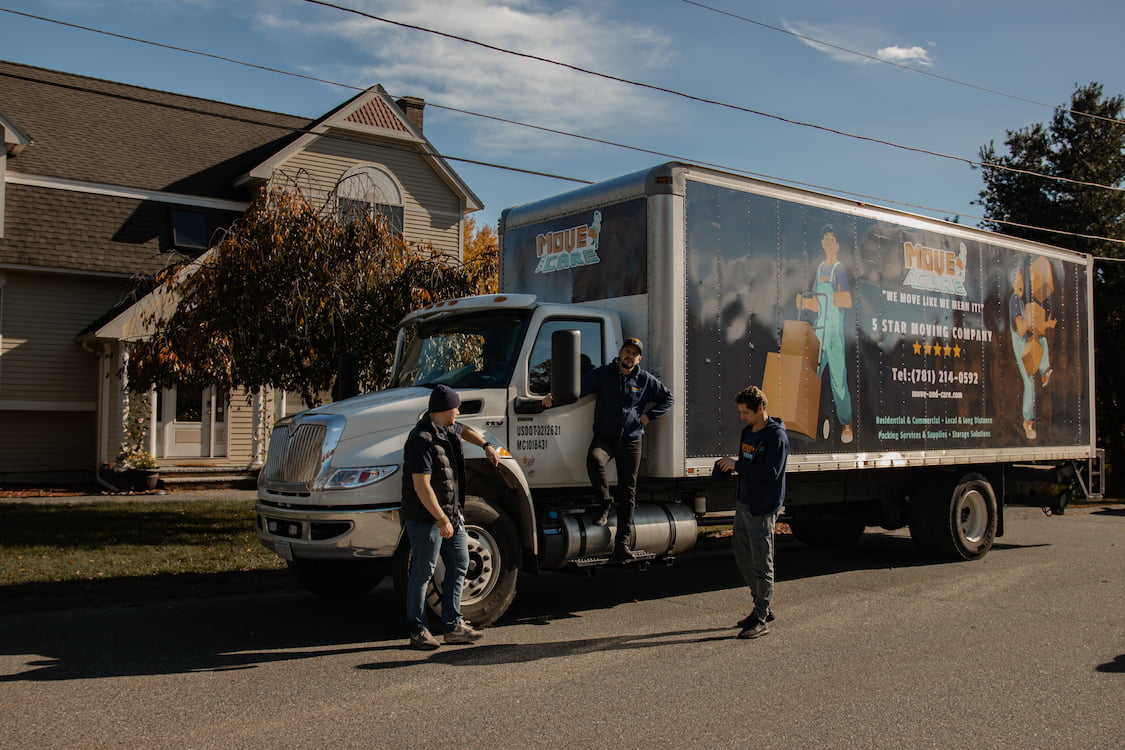
Move and Care strives to satisfy our client's needs 100%. Our company is well-reviewed, so we are not shy about showing over 2500 reviews of our company in Boston, Austin, San Antonio, Charlotte and Irvine! Explore the reviews and get an idea of our company.
Read Move and Care ReviewsThe company with a reputation
Move and Care has managed to become one of the best moving companies. Our company is based in Boston, MA; Austin, TX; San Antonio, TX; Charlotte, NC and Irvine, CA. We are also very familiar with San Antonio, TX and it is part of our area of work.
Check Our Licenses and Awards


Our Chicago to San Antonio, TX Moving Services

Residential Moving
Service for smooth and easy family moves

Commercial Moving
Smooth business moving to keep the business running

Packing Services & Supplies
Complete packing help and quality materials

Storage Solutions
Safe storage spaces for your items, available anytime

Piano Moving
Skilled piano transport to maintain condition.

White Glove Moving
Moving services with extra care for valuable items

Senior Moving
Gentle and efficient relocations for seniors.
What Customers Say About Us
Influencers who move with Move & Care
Hear how creators and community leaders describe their move-day experience, from booking to the moment every box is in place.
Our Text Reviews
Know Your Moving Cost Today

Why We're a Trusted
moving company from Chicago to
San Antonio, TX
Choosing Move and Care for your move from Chicago to
San Antonio, TX means the same crews that run our local moves in
Chicago load the truck, and the destination is handled by a coordinator who
has driven the route.
When you choose Move and Care for your move from Chicago to
San Antonio, TX, you get a moving crew that knows the ins and outs of long-distance moves — from careful packing to
on-time delivery — making the entire process smooth, quick, and safe.
More About us

Fully Licensed & Insured
We are legally authorized to handle moves of any type and distance. Licenses: USDOT #3212621; MC #1018431; NCUC #C-3067; TXDMV #009636518C.

Cost Efficiency
We offer flexible pricing options. Flat rates with a binding moving quote and tailored plans — so you know exactly what to expect with no hidden costs.

Full-Service
We manage everything: careful packing, secure loading, route planning, delivery, and even unpacking at your new house.

Safety
Our movers use professional packing techniques, every truck is GPS-tracked, and insurance coverage is included — so your belongings arrive just as they left.
What you get by moving from Chicago to San Antonio, TX with us?

Loading and Unloading
We will load into the truck and unload at a new place all of
your items.

Gas, Tolls
Our moving company rates include all the charges, no hidden
fees.

Dedicated Manager
Our dedicated manager will walk you through the whole moving
process.

Transportation
Our Company makes sure all of your belongings are safe during
delivery.

Moving Insurance
Insurance coverage helps save your items from unexpected
damages.

Assemble and Disassemble
We make sure your furniture is Assembled and Disassembled.




Our Licenses & Awards
We’ve helped over 5,000 people move safely — from single-bedroom apartments to 5-bedroom houses and full office moves. Our team has completed more than 1,200 long-distance moves across the U.S., always on time and with belongings protected. With licensed movers, GPS-tracked trucks, and full packing support, we make sure every step of your move is handled with care you can count on.
See Price Estimate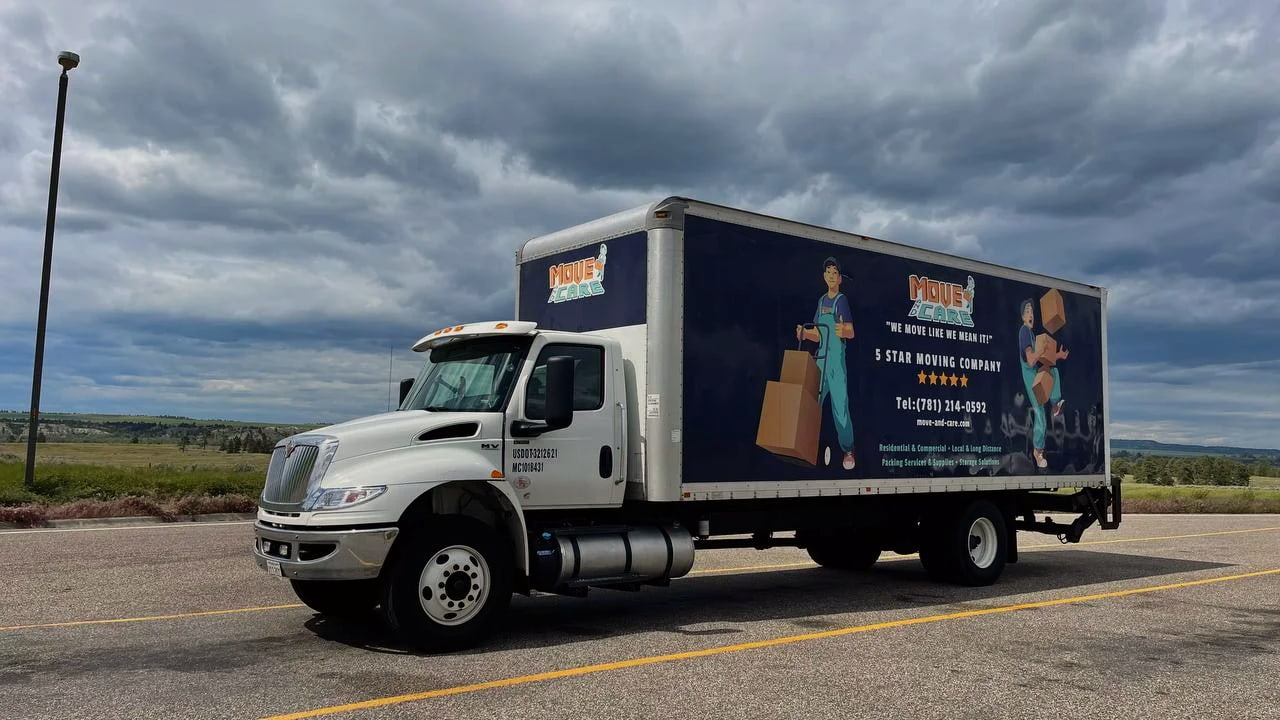

USDOT
3212621
MA DPU
31854
NCUC
C-3067
TXDMV
009636518C







Have Questions?
Ask Professional
How Far Is Chicago from San Antonio? Distance and Delivery Time
If you're planning around a move date, the first thing you need is a realistic sense of the distance and how long your belongings will be in transit.
Chicago to San Antonio is roughly 1,200 miles — about 18 to 24 hours behind the wheel, depending on the route you take and the traffic you hit along the way.
With a full-service move, your household belongings don't arrive the moment the truck pulls away. Professional delivery on a route this long usually takes 2 to 8 days once your shipment is picked up. The exact timing depends on the route, how full the truck is, and how your pickup and delivery dates line up with the carrier's schedule.
A word of caution: be wary of any mover who promises delivery on one specific calendar date for a 1,200-mile move. Long-distance transport works on a delivery window, not a fixed appointment — a guarantee that ignores that is a promise that can break.
How Much Does Moving from Chicago to San Antonio Cost?
A low starting number isn't a real estimate for a 1,200-mile move if no one asked about your stairs, your elevator, your parking, or how far the truck has to sit from your door. Surprise charges usually start there — in an early number that left too much unnamed — not in the final bill.
What Drives the Cost of Your Move
- Weight or volume of your shipment. More belongings means a heavier, larger load.
- Distance. At about 1,200 miles, this is a true interstate haul.
- Service level. Full packing, partial packing, or load-only all price differently.
- Season. Summer is peak moving season, and demand affects both price and availability.
- Access difficulty. Stairs, long carries, elevator reservations, and where the truck can legally park all affect the work.
The cheapest-looking option often isn't the cheapest in the end. A DIY rental truck or a container can look lower upfront — until you add fuel, one-way rental fees, your own insurance, equipment, and the days of your own time it takes to load, drive, and unload 1,200 miles yourself.
Coverage is another detail worth understanding before you commit. On interstate moves, Move and Care includes Basic Released Value Protection at 60 cents per pound per article at no extra cost, and Full Value Protection is available for an additional charge. Basic protection is not full insurance, so it's worth knowing which one you're actually getting before move day, not after something breaks.
Estimated Costs by Home Size
Industry averages for a full-service move on this route generally run from about $2,500 to $9,500, depending on home size and services.
| Home Size | Typical Industry-Average Range* |
|---|---|
| Studio / 1 bedroom | Lower end of the range |
| 2 bedrooms | Middle of the range |
| 3 bedrooms | Upper-middle of the range |
| 4+ bedrooms | Upper end of the range |
*These are general industry averages for a long-distance move of this distance, not a Move and Care price. Your figure depends on your inventory, access, service level, and dates.
Here's how Move and Care prices this route: interstate moves are set as a one-time flat rate based on your confirmed move details, plus a $50 equipment charge for blankets, dollies, and tools. It's not hourly, so the price doesn't climb just because the job runs long. But because the rate is built from confirmed details, a major change in scope — a big addition to the inventory, a service you didn't mention — may mean the estimate needs to be reviewed before move day.
You can see how Move and Care pricing works before you commit. For a figure tailored to your home, access, and dates, request your free estimate.
Choosing Your Moving Method: Full-Service, Containers, or Rental Truck
Plenty of moving guides will tell you a portable container is the smart middle-ground option. That advice skips a detail that matters a great deal if you're leaving from Chicago.
Chicago city ordinances generally prohibit placing moving containers directly on public streets or alleys without a movable trailer. So the container that looked convenient can leave you with nowhere legal to put it, or with fines you didn't budget for.
Here's how the three common methods compare for this route:
| Method | Effort on You | Cost Profile | Chicago Origin Consideration |
|---|---|---|---|
| Full-service mover | Lowest — crew packs/loads/drives/unloads | Higher upfront, fewer hidden costs | Mover handles loading and truck logistics; you still arrange required parking permits |
| Moving container | Medium — you pack and load, they drive | Mid-range, plus possible hidden fees | Generally can't sit on a public street/alley without a movable trailer |
| Rental truck (DIY) | Highest — you do everything | Lowest sticker, highest hidden cost (fuel, one-way fees, your time) | You handle parking, loading, and the 1,200-mile drive yourself |
A full-service interstate move removes the parts of a Chicago origin that tend to go wrong: the loading, the truck positioning, and the coordination with building access. Keep in mind that "full-service" doesn't mean every possible service is automatically included — packing, storage, and specialty items are confirmed separately. What's included is what's confirmed in your estimate.
Before you rule out or rule in a container, check with your local Alderman's office for the specifics on your street.
You can review Move and Care's long-distance moving services for what's covered on a route like this.
Preparing for Your Move Out of Chicago
This is the section national moving guides skip, and it's the one that catches Chicago residents off guard. Parking, permits, and building access are where a smooth-looking plan turns into a move-day scramble. Getting ahead of them is the whole game.
Chicago Moving Truck Parking Permits: CDOT vs Alderman Signs
Here's a distinction that costs people their moving-day parking spot: Chicago has two different kinds of moving signs, and only one of them is enforceable.
Alderman Courtesy Signs
These are the free signs you may have seen. They ask drivers not to park in a spot — but they are not enforceable. A car parked in front of one can't be ticketed or towed for it, which means it cannot guarantee your moving truck a place to stop.
CDOT Permits
CDOT permits are the enforceable ones. A Chicago Department of Transportation Tow Zone permit creates a legally protected space, so a vehicle parked in it can actually be towed. These typically start around $25 and generally need roughly 72 hours' notice to arrange.
One important point on responsibility: you are responsible for securing the required parking permit. Move and Care can advise you on what's needed for your street and your truck, but the customer arranges and confirms the permit — and the earlier the better, given the notice window. Don't rely on a non-enforceable courtesy sign to hold your spot.
Why Moving Containers Are Restricted on Chicago Streets
If a container is part of your plan, confirm where it can legally sit before it's delivered. As noted above, Chicago generally prohibits placing moving containers on public streets or alleys without a movable trailer. A container dropped in the wrong spot isn't just inconvenient — it can mean fines and a scramble to relocate it on the day you least have time.
Check with your local Alderman's office for the rules that apply to your specific block, and factor that answer into your method choice.
High-Rise and Apartment Certificate of Insurance (COI) Requirements
An elevator or COI requirement isn't a problem on its own. Finding out about it when the crew is already downstairs is the problem.
Many Chicago high-rises and managed buildings require a Certificate of Insurance (COI) before they'll let movers use the freight elevator or loading dock. Requirements vary building to building — this isn't universal, but it's common enough that you should ask early.
Your next step: ask your property manager now for the building's exact COI requirements — the certificate holder wording, any additional insured wording, coverage limits, your move date, and the building address. Once you send those details to Move and Care, the company can issue the certificate. The sooner you gather them, the less chance of a move-day hold-up.
Hiring a Licensed Interstate Mover: How to Avoid Scams
The scary version of a long-distance move isn't the price — it's the story where a truck disappears with everything you own and the "mover" won't return the load until you pay far more than the estimate. Hostage loads and brokers posing as carriers are real risks, and they usually target people who didn't check credentials first.
Here's how to protect yourself. Interstate moves are regulated by the Federal Motor Carrier Safety Administration (FMCSA), and any legitimate interstate mover must have a USDOT number. A reputable mover will also give you:
- a written estimate,
- a Bill of Lading (your contract for the move), and
- the "Your Rights and Responsibilities When You Move" booklet.
You can look up any mover's USDOT and MC number in FMCSA's records before you sign anything. Don't take a company's word for it — verify it yourself.
So you can do exactly that with this company: Move and Care operates under USDOT #3212621 and MC #1018431, with TXDMV #009636518C and NCUC #C-3067 on the Texas and North Carolina sides. Move and Care runs its own trucks with trained crews and is a mover, not a broker — meaning your load isn't handed off to whoever bids lowest.
You can also review Move and Care's long-distance moving services for how an interstate move is run.
Verify the USDOT number, then request your estimate.
Settling into San Antonio: Your Post-Move Checklist
The move doesn't end when the truck is unloaded. Texas has a few requirements for new residents, and one of them runs on a clock.
Register your out-of-state vehicle within 30 days. New Texas residents are required to register their vehicles within 30 days of moving. To do it, you'll generally need proof of Texas minimum liability insurance and Form 130-U, handled at your county tax office.
A note on vehicle inspection: Texas rules changed recently, and the non-commercial safety inspection requirement ended on January 1, 2025, though emissions testing still applies in some counties. Because the details are location-specific and date-sensitive, confirm what currently applies in your county before you register.
One practical shift worth planning for: Chicago is a transit-heavy city, and San Antonio is far more car-dependent. If you've relied on the L or the bus, factor in transporting a vehicle as part of your move.
Move and Care has a San Antonio service presence at 1100 Northwest Loop 410, Suite 733, San Antonio, TX 78213.
More About PricingF.A.Q. about moving from Chicago to San Antonio, TX
About 1,200 miles, or roughly 18 to 24 hours of driving depending on route and traffic. For a full-service move, professional delivery usually takes 2 to 8 days once your shipment is picked up.
Industry averages for a full-service move on this route generally run from about $2,500 to $9,500, depending on home size and services. Your final cost depends on weight, distance, service level, and season. Move and Care prices interstate moves as a flat rate based on your confirmed details, so the way to get a real figure is a custom estimate.
Summer is peak moving season, which tends to mean higher prices and tighter availability. Moving in the off-peak months can give you more scheduling flexibility and, often, better pricing. If your dates are flexible, that's worth weighing.
A DIY rental truck or a moving container usually has the lowest sticker price — but the gap narrows once you add fuel, one-way fees, your own insurance, equipment, and your time driving 1,200 miles. On top of that, Chicago generally restricts containers from sitting on public streets without a movable trailer, and you'd be handling parking and loading yourself. For many households, a full-service interstate move is worth the difference. Send your inventory and dates to compare a real figure.

Our Instagram Profile


Contact Us
Fast, Fair Moving Estimate
Clear pricing. Certified pros.
Careful handling.
Start your smooth move with Move and Care.




