
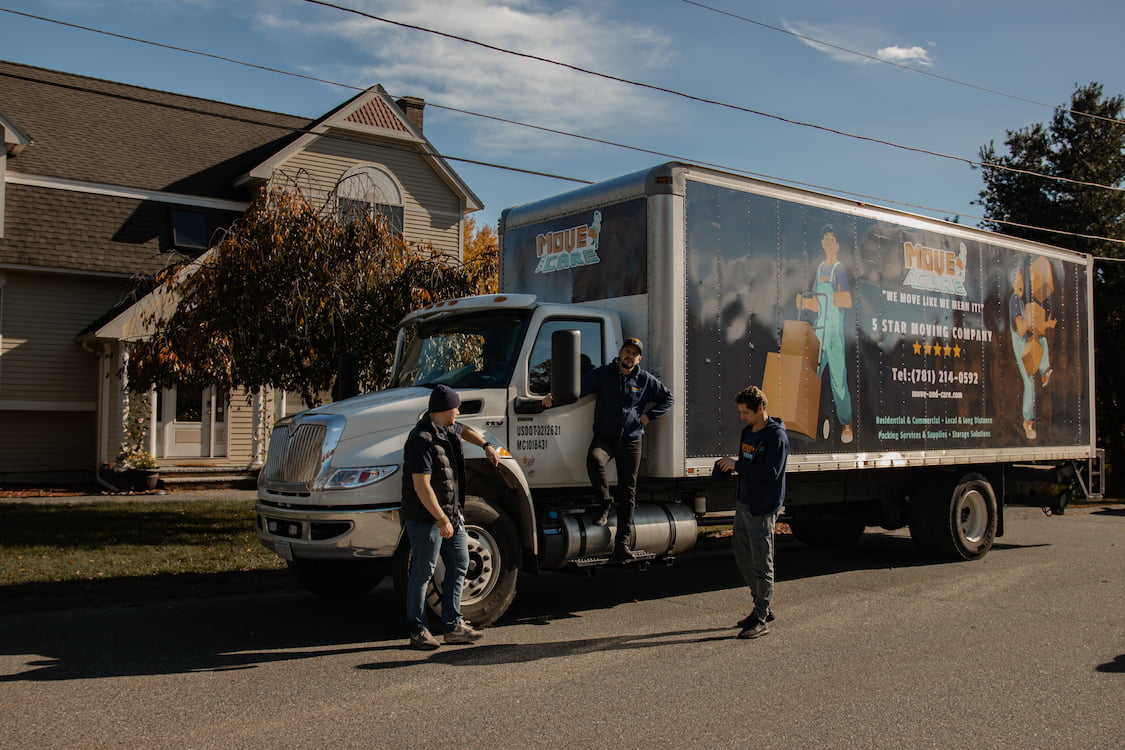
The company that customers love
Move and Care strives to satisfy our client's needs 100%. Our company is well-reviewed, so we are not shy about showing over 2500 reviews of our company in Boston, Austin, San Antonio, Charlotte and Irvine! Explore the reviews and get an idea of our company.
Read Move and Care ReviewsThe company with a reputation
Move and Care has managed to become one of the best moving companies. Our company is based in Boston, MA; Austin, TX; San Antonio, TX; Charlotte, NC and Irvine, CA. We are also very familiar with San Antonio, TX and it is part of our area of work.
Check Our Licenses and Awards


Our NYC to San Antonio, TX Moving Services

Residential Moving
Service for smooth and easy family moves

Commercial Moving
Smooth business moving to keep the business running

Packing Services & Supplies
Complete packing help and quality materials

Storage Solutions
Safe storage spaces for your items, available anytime

Piano Moving
Skilled piano transport to maintain condition.

White Glove Moving
Moving services with extra care for valuable items

Senior Moving
Gentle and efficient relocations for seniors.
What Customers Say About Us
Influencers who move with Move & Care
Hear how creators and community leaders describe their move-day experience, from booking to the moment every box is in place.
Our Text Reviews
Know Your Moving Cost Today
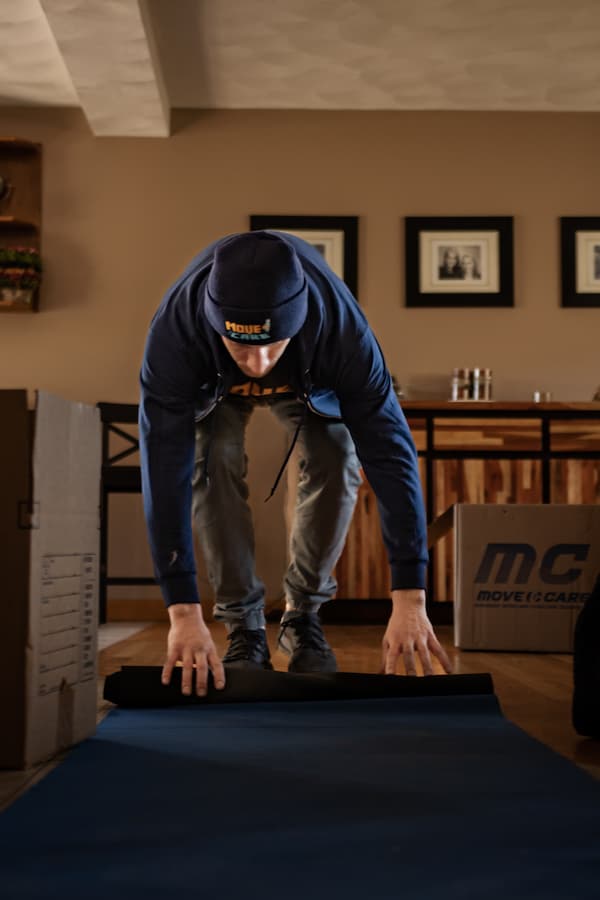
Why We're a Trusted
moving company from NYC to
San Antonio, TX
Choosing Move and Care for your move from NYC to
San Antonio, TX means the same crews that run our local moves in
NYC load the truck, and the destination is handled by a coordinator who
has driven the route.
When you choose Move and Care for your move from NYC to
San Antonio, TX, you get a moving crew that knows the ins and outs of long-distance moves — from careful packing to
on-time delivery — making the entire process smooth, quick, and safe.
More About us

Fully Licensed & Insured
We are legally authorized to handle moves of any type and distance. Licenses: USDOT #3212621; MC #1018431; NCUC #C-3067; TXDMV #009636518C.

Cost Efficiency
We offer flexible pricing options. Flat rates with a binding moving quote and tailored plans — so you know exactly what to expect with no hidden costs.

Full-Service
We manage everything: careful packing, secure loading, route planning, delivery, and even unpacking at your new house.

Safety
Our movers use professional packing techniques, every truck is GPS-tracked, and insurance coverage is included — so your belongings arrive just as they left.
What you get by moving from NYC to San Antonio, TX with us?

Loading and Unloading
We will load into the truck and unload at a new place all of
your items.

Gas, Tolls
Our moving company rates include all the charges, no hidden
fees.

Dedicated Manager
Our dedicated manager will walk you through the whole moving
process.

Transportation
Our Company makes sure all of your belongings are safe during
delivery.

Moving Insurance
Insurance coverage helps save your items from unexpected
damages.

Assemble and Disassemble
We make sure your furniture is Assembled and Disassembled.




Our Licenses & Awards
We’ve helped over 5,000 people move safely — from single-bedroom apartments to 5-bedroom houses and full office moves. Our team has completed more than 1,200 long-distance moves across the U.S., always on time and with belongings protected. With licensed movers, GPS-tracked trucks, and full packing support, we make sure every step of your move is handled with care you can count on.
See Price Estimate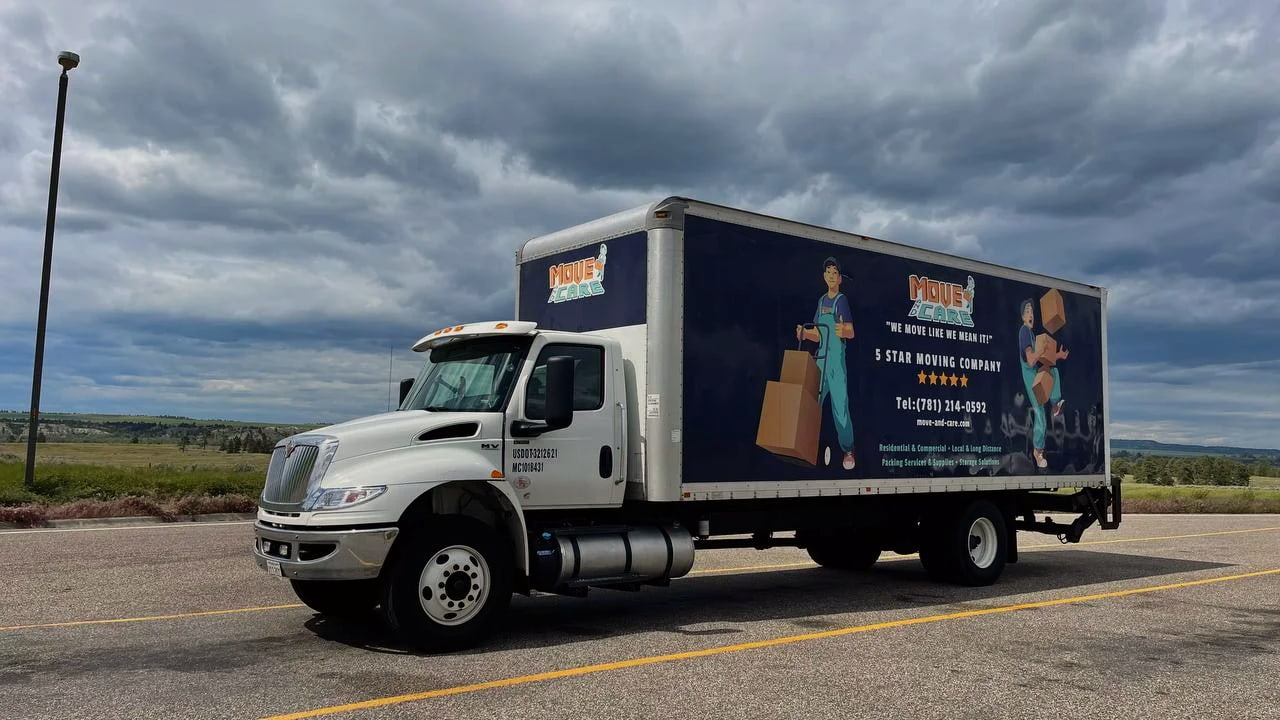

USDOT
3212621
MA DPU
31854
NCUC
C-3067
TXDMV
009636518C







Have Questions?
Ask Professional
Planning Your Move from NYC to San Antonio
Moving from New York City to San Antonio is a roughly 1,800-mile interstate relocation, which means it has three distinct stages that each need planning: getting your belongings out of your NYC building, the long-distance transit across the country, and the setup on the San Antonio side.
The distance matters because it changes how everything works. A local move is usually billed by time. A long-distance interstate move is priced differently, runs on delivery windows rather than same-day drop-offs, and falls under federal regulations that exist to protect you. Knowing that upfront helps you ask the right questions instead of finding out the answers on move day.
The rest of this page covers the parts people most often underestimate on this route:
- What drives the cost, and how to read an estimate
- How long the move typically takes
- NYC move-out logistics: Certificate of Insurance, freight elevators, parking, and noise rules
- How to verify a licensed interstate mover
- What changes about daily life once you're in San Antonio
None of this requires you to become a logistics expert. It requires a mover who names the variables early so the plan holds up.
How Much Does It Cost to Move from NYC to San Antonio?
A low starting number isn't a real estimate if no one asked what can change the work. That's the trap with long-distance pricing: the figure that looks cheapest is often the one that left out stairs, packing, access, or the size of your actual shipment. By the time those details surface, the number has already moved.
So before you get a quote from anyone, it helps to understand what genuinely drives the cost.
What Affects Your Long-Distance Moving Cost
For an interstate move on this route, the main cost factors are:
Distance. The roughly 1,800 miles between NYC and San Antonio sets a baseline for fuel, time, and crew.
Shipment size. How much you're moving — measured by weight or volume depending on the pricing model — is usually the biggest single factor.
Packing services. Whether you pack yourself or have the crew pack fragile and high-value items changes both labor and materials.
Access difficulty. Walk-ups, long carries from the truck to your door, narrow pre-war stairwells, and elevator timing all add labor on the NYC side.
The more of these that get confirmed before move day, the more your estimate reflects the real job instead of a clean guess.
Weight-Based vs. Volume-Based Pricing
When you compare long-distance movers, you'll generally see two pricing models, and knowing the difference helps you compare quotes honestly:
Weight-based pricing charges by the actual weight of your shipment, usually confirmed at a weigh station.
Volume-based pricing charges by the cubic feet your belongings take up in the truck.
Each can be fair, but they aren't directly comparable side by side — a low volume-based number and a low weight-based number can describe very different final bills. Ask each mover which model they use and what could change it.
Move and Care prices long-distance moves differently: as a one-time flat rate based on your confirmed move details, rather than by weight, volume, or by the hour. A $50 equipment charge applies for blankets, dollies, and tools.
Ask any mover you're comparing whether their price is weight-based, volume-based, or a flat rate like Move and Care's — a low number under one model can still add up to a high final bill under another.
On protection: basic Released Value Protection is included at no extra cost, with liability limited to 60 cents per pound per article. If you want coverage that reflects the actual value of your belongings, Full Value Protection is available for an additional charge. The difference matters most before something breaks, not after — so it's worth deciding which level you want while you're still planning.
No reputable mover can give you an exact dollar figure without knowing what's in your home. What you can ask for is a written estimate built on your actual inventory and access.
Request a Free Estimate — share your inventory and your NYC access details (stairs, elevator, parking) so the flat-rate estimate reflects the real job.
How Long Does the Move Take?
For an interstate move of roughly 1,800 miles, transit typically takes a range of days rather than a single guaranteed date. The exact timing depends on the route, weather, and dispatch scheduling.
This is where it pays to be skeptical of anyone promising an exact arrival day. Interstate delivery works on a delivery window under reasonable-dispatch practices governed by federal moving regulations, not a pinpoint date.
A mover should be able to give you a realistic delivery window during the estimate and explain what could shift it. When you request your estimate, ask what window applies to your shipment and how you'll be updated if it changes.
Navigating Your NYC Move-Out
An elevator rule isn't a problem. Finding out about it when the crew is already downstairs is the problem. This is the part of an NYC move that competitors tend to skip, and it's the part most likely to cost you a day if it's handled late. Here's what to line up before move-out morning.
Certificate of Insurance (COI) and Building Rules
Most managed buildings, co-ops, and condos in NYC require a Certificate of Insurance before movers are allowed in the building. The COI typically names the building's management as additionally insured and confirms the mover carries the required coverage.
This isn't a universal law — a private multi-family home or an independent landlord may not ask for one — but if you're in a managed building, it's usually non-negotiable, and the building can turn the crew away without it.
If your building requires a COI, Move and Care can provide one — just send us the building's exact COI requirements early. Building management offices often have specific language they require, and asking for it at the last minute is how move days slip.
Next step: Ask your building management for their COI requirements now, and send them with your estimate request so the document is ready before move day.
Freight Elevators, Walk-Ups, and Move-Out Hours
If your building has a freight elevator, it usually has to be reserved in advance, and reservations often come with a specific time block. Miss the window and you may be waiting — or paying for it.
NYC's housing stock cuts both ways here. Some moves run out of high-rises with freight elevators and loading docks; others run out of pre-war walk-ups with narrow, winding stairwells. Both are normal, and both affect how long the move takes and what it costs. A walk-up or a long carry from the truck isn't a small detail when it adds hours of labor.
Buildings also frequently restrict moves to certain weekday hours. Confirm your building's specific move-out window before you schedule anything.
Next step: Reserve your freight elevator as soon as you have a date, and tell your mover whether you have an elevator, a walk-up, or a long carry so it's in the plan.
NYC Parking and Noise Rules for Moving Trucks
A moving truck is a commercial vehicle, and in NYC that means it's subject to NYC DOT commercial vehicle parking rules — you can't simply leave it anywhere for as long as you need.
The New York City Noise Code also restricts noise during overnight quiet hours, which can affect how early or late a move can run.
One thing to be clear on: securing a parking permit or reserving curb space is the customer's responsibility. Move and Care can advise on the logistics and coordinate around your building's access, but it does not automatically obtain parking permits on your behalf.
Next step: Check whether your street allows a moving truck on your planned date, and put any parking limits or curb constraints in your estimate request.
How to Choose a Licensed Interstate Mover (and Avoid Scams)
The riskiest moment in a long-distance move is the one where you hand your belongings to a company you didn't verify. Moving scams exist, and the protections against them are federal — but they only help if you know they're there before you sign.
Verify the USDOT Number
Under federal moving regulations, any company performing interstate moves is required to have a valid USDOT number with active operating authority, registered with the Federal Motor Carrier Safety Administration (FMCSA). You can look up that number in the FMCSA database to confirm the company is legitimate and authorized to operate.
As a concrete example of what a verifiable license looks like, Move and Care operates under USDOT #3212621 and MC #1018431, along with TXDMV #009636518C, NCUC #C-3067, and MA DPU #31854. You can run any mover's numbers — including these — through the FMCSA system yourself.
Understand the 110% Rule for Estimates
Federal moving regulations include a protection worth knowing: on a non-binding estimate, a mover cannot require you to pay more than 110% of the estimated amount at the time of delivery. Any balance above that has to be billed later, not demanded on the spot before your belongings come off the truck.
Beyond the regulations, look for a written estimate, clear licensing and insurance you can verify, and reviews you can actually trace. Coverage and payment terms should be clear before the truck is loaded, not after.
Next step: Verify your mover's USDOT number, then request a written estimate from a licensed interstate mover.
Settling Into San Antonio: What to Expect
Part of planning this move is knowing what changes on the other end — not the tourist version, the daily-life version.
The first practical difference is taxes. Texas has no state income tax on individuals, which is one reason the cost of living in San Antonio generally runs lower than in New York City. Because tax law can change, it's worth confirming the current status before you build it into your budget.
The second is how you get around. NYC is transit-dense; San Antonio is sprawling and largely car-dependent, so plan for the shift from subways and walking to driving most places. The climate changes too — expect a hotter, longer summer than you're used to, which is worth factoring into both your timing and how you pack heat-sensitive items.
Move and Care has a San Antonio office and handles the destination side of the move, so there's a local point of contact once your belongings arrive.
Next step: If you've set a target date, start your estimate so the destination-side logistics can be planned alongside the move-out.
More About PricingF.A.Q. about moving from NYC to San Antonio, TX
There's no honest flat answer without knowing what you're moving. The cost depends on the size of your shipment (by weight or volume), the roughly 1,800-mile distance, whether you add packing, and NYC access factors like walk-ups, long carries, and parking. Move and Care prices this route as a one-time flat rate based on your confirmed details. The most useful step is a written estimate built on your actual inventory rather than a number pulled from the air.
For a move of roughly 1,800 miles, transit typically takes a range of days, not a single guaranteed date. Route, weather, and dispatch scheduling all affect it, and interstate delivery runs on a delivery window rather than a pinpoint arrival time. Ask your mover for the realistic window during the estimate, as guided by federal moving regulations.
Interstate movers generally cannot transport hazardous or dangerous items. Move and Care cannot move flammable liquids, firearms, explosives, or containers filled with gasoline or propane, and may refuse unsanitary items. Crews also cannot disconnect water or gas lines. Other commonly restricted items across the industry include perishables, certain batteries, and live animals. Confirm your specific list with your mover before move day so nothing gets left behind unexpectedly.
Most managed buildings, co-ops, and condos require one, naming the building's management as additionally insured, before movers can enter. It's not a universal legal requirement — some private homes and independent landlords don't ask for it — so check with your building management. If yours requires a COI, Move and Care can provide it once you send the building's exact requirements early.
Verify the mover's USDOT number with active operating authority in the FMCSA database, confirm licensing and insurance, and get the estimate in writing. Under federal moving regulations, know the 110% rule: on a non-binding estimate, a mover cannot demand more than 110% of the estimate at delivery. These checks take a few minutes and rule out most scams before you commit.
Once you've verified your mover and gathered your building's rules, the next step is a written estimate built on your real inventory and access.
Once you've verified your mover and gathered your building's rules, the next step is a written estimate built on your real inventory and access.

Our Instagram Profile


Contact Us
Fast, Fair Moving Estimate
Clear pricing. Certified pros.
Careful handling.
Start your smooth move with Move and Care.




