


Reviewed by the Move and Care Operations Team
With over 10 years of experience moving in the Greater Boston area, we issue hundreds of COIs monthly. We work directly with major property management firms to ensure full compliance with ACORD standards.
You have finally filled the boxes. You hired the movers. You are good to go. But then your building manager sends you an email that says, "Before your moving company can enter the building, we need a Certificate of Insurance (COI) from them." You might be wondering, "Why do I need this?" Is my quote for moving not enough?"
Don't worry. This is normal, especially in Boston and other cities with a lot of apartment buildings. Every day at Move and Care, we take care of this paperwork.
This is a simple guide that explains what a COI is, why your building needs one, and how it keeps you safe.
⚠️ The "Moving Day Nightmare" Scenario
We have seen it happen with other companies: A moving truck arrives, but the driver cannot produce the COI. The building manager refuses to unlock the loading dock. The result? The move is cancelled, or the client pays hundreds of dollars per hour while the truck sits idle waiting for paperwork. Don't let this happen to you!
What is a Certificate of Insurance (COI)?
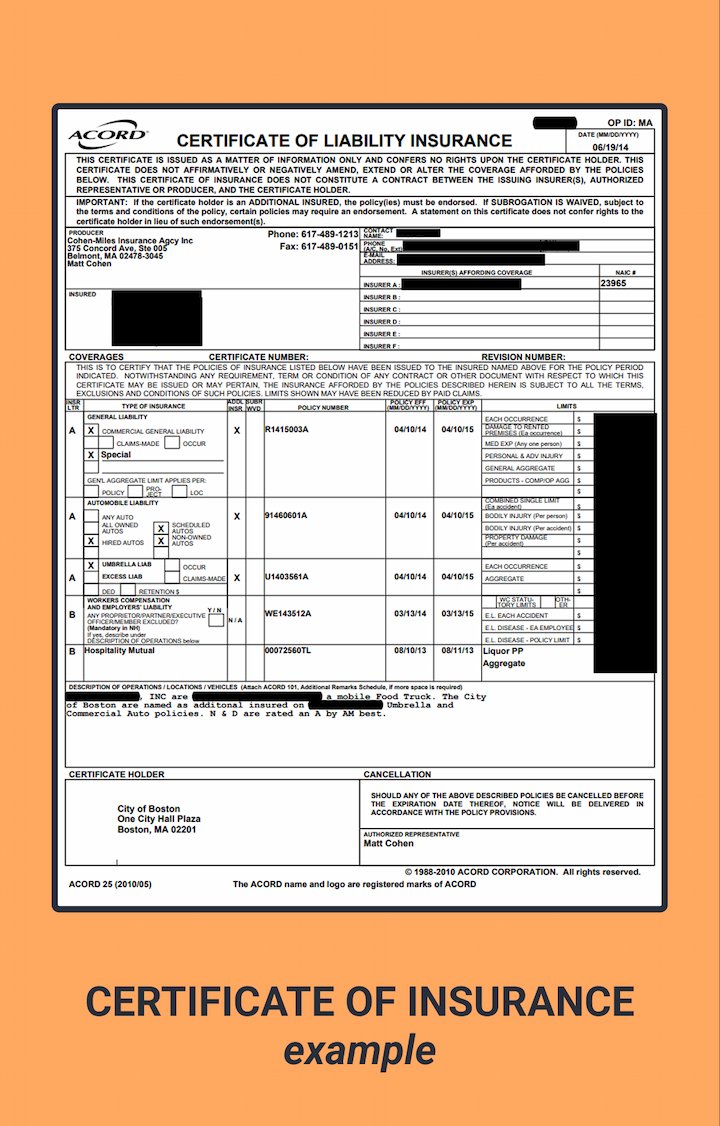
A COI, or Certificate of Insurance, is a one-page document that shows you have insurance. You could call it a "snapshot" of a company's insurance policy. It shows that the moving company, not you or the building owner, will pay for any damage to the walls, elevators, or injuries that happen on the property.
The ACORD 25 form is the most common way to write this down. You can tell that this code is the industry standard if you see it at the top of the page.
The 3 Reasons Your Building Manager Requires It
1. To Keep the Property Safe (Common Areas)
Moving means moving heavy furniture, dollies, and furniture through tight spaces. There is always a small chance that elevators will get damaged, or floors and carpets in the hallway, or doors and walls in the lobby. If your mover breaks the elevator, it could cost thousands of dollars to fix it. The COI makes sure that the moving company has General Liability insurance to pay for these costs.
2. To Protect Against Lawsuits (Vicarious Liability)
If a worker gets hurt on someone else's property in the US, they might try to sue the owner of that property. A COI shows that the moving company has Workers' Compensation insurance. This way, the mover's insurance will take care of any injuries, and the building manager won't have to worry about getting sued.
3. It Is Often Mandatory by Contract
If you live in a managed building, your lease or HOA agreement probably says that all vendors, like movers, plumbers, and contractors, have to show proof of insurance. The building manager is just doing their job by making sure the rules are followed.
"Certificate Holder" vs. "Additional Insured"
Customers find this part the hardest to understand, but getting it right will save you time.
Your building may ask to be listed as a "Additional Insured" when you ask us for a COI.
| Term | What It Means |
|---|---|
| Certificate Holder | The person or building receiving the proof. This just shows them we have insurance. |
| Additional Insured | This gives the building actual coverage rights under our policy for the duration of the move. |
Note from Move and Care: "Additional Insured" status is needed for most buildings. This basically adds them to our insurance policy while we work in their building.
What Does a Valid COI Look Like?
We include these important semantic details in the COI we give you so that your move doesn't get delayed. These are the things that building managers look for:
- General Liability Limits: Most of the time, they are at least $1,000,000 for each event.
- Workers' Comp: Proof that our team is safe.
- Policy Expiration Date: This is the date when the policy ends and the insurance is no longer active.
- NAIC Number: A code that checks to see if the insurance company is real.
- Umbrella/Excess Liability: Some luxury buildings require coverage above the standard $1 million (often $2M or $5M). A professional mover always carries this extra layer of protection.
The International Risk Management Institute (IRMI), a top authority on insurance standards, says:
"The certificate of insurance shows that the borrower is financially responsible and can handle a loss."
How to Request a COI from Move and Care

We want to help you move without any stress. We don't expect you to know a lot about insurance.
This is all you need to do:
- Talk to your Building Manager: Ask for their "sample COI" or their exact needs (who should be listed as the certificate holder?).
- Send Us an Email: Send that information to the person in charge of your Move and Care.
- We take care of it: We get in touch with our insurance agent. They make the official paper.
- Delivery: We send the PDF directly to you or the management of your building, usually within 24 hours.
Warning: If a mover won't show you a COI, don't hire them. It's a big red flag that they might not have insurance, which could put your money at risk.




