
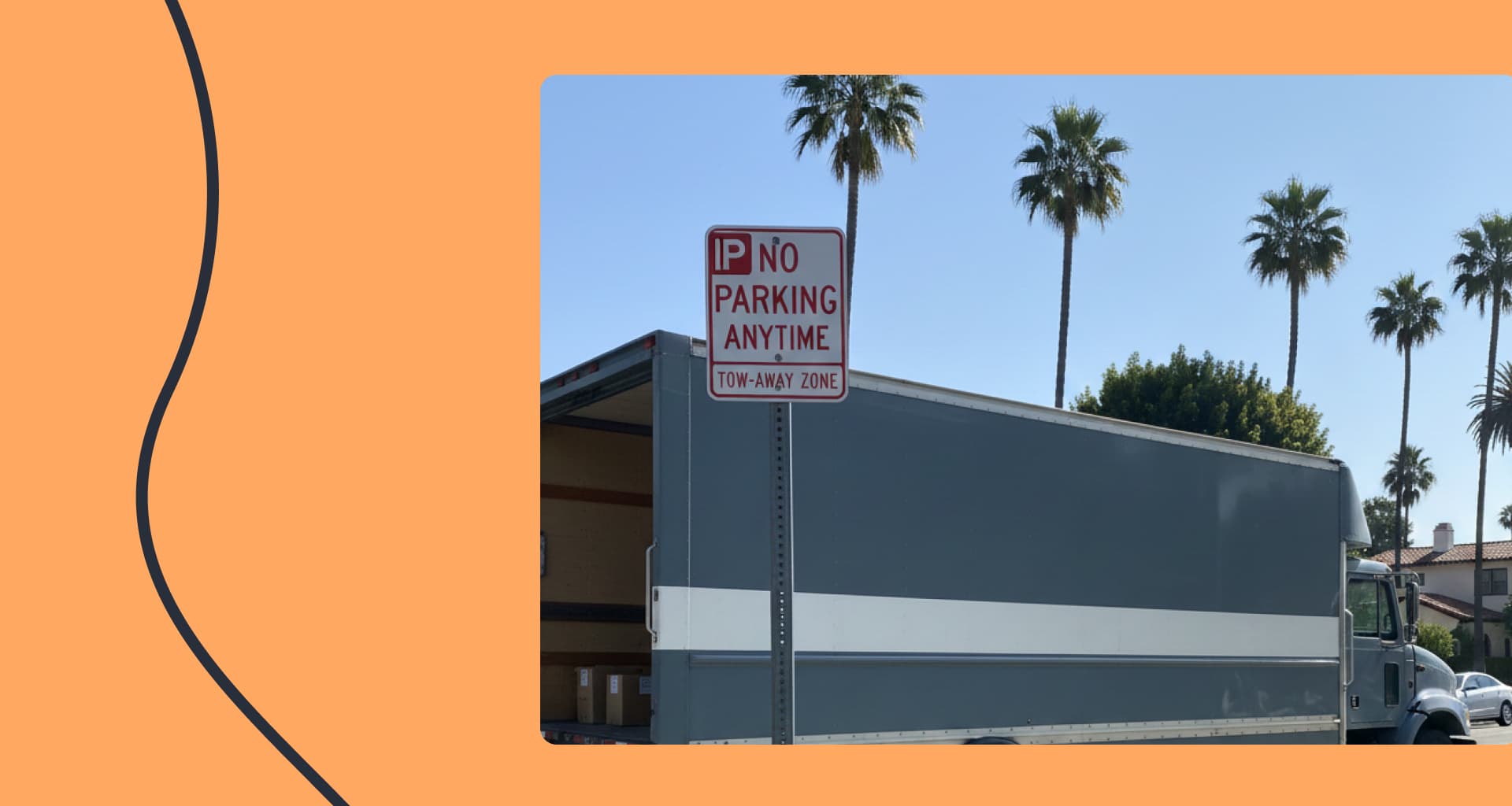

It can be stressful enough to move in Los Angeles without having to worry about where to park a big moving truck. It's hard to find a safe place for a moving van on Los Angeles's crowded streets, and if you park it illegally or in a restricted area, you could get fined a lot or even have your van towed away. That's why it's so important to understand the Los Angeles moving truck parking permit. As professional movers in Los Angeles, we'll use city records and our own knowledge to show you when you need a permit, how to get one, how much it costs, and how to park without any problems on moving day. To keep you up to date on the latest rules, we'll also bust some myths and quote tips from experts. Let's jump right in!
Why You Might Need a Moving Truck Parking Permit in LA
Because Los Angeles is so crowded, there isn't much street parking. If you don't reserve a spot on a busy street, your moving truck might not be able to park close to your house. This usually means that movers have to either drive around the block over and over or double-park, which can slow down traffic and lead to problems. "Movers may have to double-park or stop in restricted areas if they don't have a reserved spot," says one local moving guide. Not having an official permit or reserved spot can be inconvenient and cost a lot of money in tickets. Parking laws in Los Angeles are very strict, and it's easy for a big truck that is stopped wrong to get a ticket.
We've found that getting a parking permit or reservation ahead of time helps your move go smoothly. It makes sure the moving truck can park close to your door, which saves time (no more walks down the block) and keeps you from having to rush around at the last minute to find a parking spot. The most important thing is that it legally lets you use the curb space, so you won't have to worry about parking enforcement stopping you. A lot of moving companies, including ours, ask their clients ahead of time about parking plans. This is because not planning ahead can really stop a move in its tracks. From what the Los Angeles Department of Transportation (LADOT) says, you should reserve street space ahead of time and be ready to pay a fee for a short parking restriction.
Still, you won't need an official permit for every move in Los Angeles. If you're moving from a quiet neighborhood street with lots of open parking spots, you might not need to ask anyone for permission to park a moving truck. On a wide suburban road with no parking limits (and maybe even helpful neighbors who leave room), for example, a moving van can usually park next to the curb while you load or unload. In these situations, it might be enough to just use common sense, like not blocking driveways and paying attention to any written signs.
A moving truck was parked on a wide neighborhood street without the right paperwork. You might not need a formal permit in low-density places with plenty of free parking, but you should still follow all the rules and be nice to your neighbors.
But if you're moving in a Los Angeles neighborhood that is busy or has a lot of people, you should get a parking permit. There aren't many parking spots and a lot of rules in areas like Downtown LA, Hollywood, Koreatown, Westwood, and Miracle Mile. This also goes for streets with metered parking spots, zones where you need a permit to park, or strict No Parking/No Stopping times. It's not a safe bet to hope for an open spot on moving day in those scenarios. It's much better to set up a temporary "No Parking" zone that keeps curb space open for your moving truck. Making this move will not only make sure you have the room, but it will also keep you out of trouble with other drivers on the road.
Types of Permits and Options for Moving Truck Parking
If you want to park a moving truck in Los Angeles, you should know about these two main permit choices and a few other things that are related:
Temporary “No Parking” Signs (Parking Reservation Permit)
The first and most frequent solution is to get temporary signs that say "No Parking" for the day of the move. For a certain date and time, this is basically a parking reservation permit that lets you block off one or more parking spots on a public street. The city will send you legal "Temporary No Parking – Tow Away" signs to put up where you want to park your truck. These permits stop other people from parking in the marked spot while you move, and they give parking enforcement the right to tow or ticket any vehicle that doesn't follow the rules. Legally, it's the same thing as "claiming" a piece of curb as your own for a short time.
If you want these temporary no-parking signs in Los Angeles City, you should contact LADOT's Special Traffic Operations section. The city says that you should get in touch with LADOT about 5 to 10 business days before the move to get the permit. According to the official FAQ, "LADOT must be reached 5 working days prior to your desired move date." However, it's best to give them even more time than that, since there's paperwork and scheduling to do. You can call the LADOT Temporary Parking Permit line or go to a Public Service Center in person. The direct line for the Special Traffic Control Division right now is (213) 485-2298. It's open Monday through Friday, from about 8 a.m. to 12:30 p.m. When you call or apply, be ready to give specifics, such as the exact address or section of street you need reserved, the date and time of your move, and the size of the truck or length of space you need.
How it works: Once your application is reviewed and the fee is paid (we'll talk more about the fees in a moment), LADOT will take care of putting up the temporary signs on your street. The red-and-white "Tow Away No Parking" signs are usually put up 24 to 72 hours before your move. This notice is needed by law, and it gives people who usually park in that area time to move their cars before your reservation time. The signs on the day of your move make it clear that the curb space is only for a moving truck. Often, the signs name the date and exact hours, like "No Parking, 7am–5pm on 06/30 for Moving Truck." If someone leaves their car in that area by accident, they could get a ticket or be towed to make room. But most of the time, the signs work, and the place will be clear for your truck when the time comes.
Temporary No Parking permits usually only work for the dates and times that were accepted. They don't just let you park whenever you want; you can only use the place during the times listed on the permit. Also, the permits can only be used in legal parking spots. This means that you can't reserve a spot in a red zone, a fire lane, or anywhere else that parking is ordinarily not allowed. Most importantly, the permit does not change any other parking rules that apply outside of the times it is valid.
The question "What if someone doesn't read the signs and parks in my reserved spot?" comes up a lot. If your permit is valid and the signs were put up properly, any vehicle that isn't supposed to be there will be subject to enforcement. In real life, you can report it to LADOT Parking Enforcement by calling 311 or their dispatch number if you get there and someone else's car is still in your spot. Officers can come out and give the car a ticket or even tow it away. But keep a copy of your permit with you to show the officer, and be patient—it could take them a while to get back to you. In a pinch, you might have to park as close as you can and start moving and unloading things until the spot opens up. Luckily, these kinds of problems don't happen very often when signs are put up ahead of time.
Oversize Vehicle Parking Permits (for Large Trucks or Overnight Parking)
A second type of permit you might need is one for an oversize vehicle. When big commercial trucks are parked on city streets in Los Angeles, especially overnight, they have to follow strict rules. LA law says that a vehicle is "oversize" if it is longer than 22 feet, wider than 7 feet, or taller than 8 feet. There are a lot of rental moving trucks that are bigger than these sizes, even 16- or 20-foot box trucks. Additionally, it is against the law for large vehicles to park on residential streets between 2:00 a.m. and 6:00 a.m. in some places, so big vehicles don't take up all the parking spots in the neighborhood.
A separate permit called an Oversize Vehicle Parking Permit lets a big truck park properly even though there are size limits. It's often used when you need to leave the moving truck on the street overnight or when your route takes you through places that have signs that say "Oversize Vehicle Restricted." For instance, if you're moving over several days or if the truck needs to stay loaded and parked outside overnight, you need this permit to avoid getting fined a lot for breaking the rules about oversize vehicles.
The Parking Permits section of LADOT is where you can get an oversize permit. On the plus side, it doesn't cost much: permits are issued for a fee of $10.00 per day, and you can buy up to three days at a time. The City of LA says that people can get oversize vehicle permits online, through the mail, or in person at a DOT Public Service Center. The permit basically lets your moving truck stay overnight and doesn't have to follow the size or overnight parking rules for the dates you bought it (it usually needs to be visible on the dashboard or windshield of the truck). Do keep in mind that this permit only covers the rule about oversize vehicles; it does not guarantee a specific parking spot. With an oversize permit, you can legally park your big truck on the street, but other cars will still be able to use the spot. You may need both an oversize permit and a temporary no-parking permit in some situations. The oversize permit lets you leave the truck there, even if it's only for the night.
Not everyone moving in LA will need an oversize vehicle permit. If your moving truck is small, like a cargo van or a small U-Haul, or if you're not going to leave it parked overnight, you might not need this at all. If you rent a standard 24-26-foot moving truck, though, it's safer to be safe and get the oversize permit for the days of your move. Getting it is simple and cheap. Keep in mind that oversize permits are usually only given to people who live in Los Angeles (you may need to show proof of an LA address). This is because they're meant to let LA residents briefly park their own moving trucks or RVs near their homes. If you hire a moving company, they can usually get this permit for you or let you know if it's needed. As movers, we often help our customers with this because the last thing you need is a $200 overnight parking ticket that comes as a surprise.
How to Obtain a Los Angeles Moving Truck Parking Permit
It might sound hard to get a moving truck parking permit in Los Angeles, but it's actually very easy if you plan ahead. To do it, follow these steps:
- Figure out what you need. First, you need to figure out which permits you need. Do you need to reserve a temporary "No Parking" zone in front of your house for a short time? Or do you also need an oversize vehicle permit because of the size of your truck or because you plan to park overnight? This will help you decide what to do next. If you're not sure, you can call LADOT for help—they've probably seen every situation and can tell you exactly what permits you need for your move.
- Contact LADOT and apply. For a temporary no-parking (parking reservation) permit, the best way to get one is to call the LADOT Special Traffic Operations division during business hours (213-485-2298). You can tell them you need a temporary parking permit because you are moving, and they will take your application. Some steps can also be taken online or by email or fax, but the process usually starts with a phone call. LADOT will need to know the exact address of the space you need, as well as the date and time you need it and how many feet of curb to hold. A moving truck usually needs about 40 feet, which is about two car lengths, but you can ask for more if you need to. They will also tell you how much it costs and how to pay. Usually, you can pay by credit card over the phone, but sometimes you have to go to a payment website or office. Getting an oversize vehicle permit can be done in person at a Public Service Center or online through the LADOT Parking Permits portal. If you apply by mail or online, keep in mind that the process can take up to 2 weeks to process, so plan ahead. You can apply in person much closer to your move date if you need to, since you get the permit right away after it's approved. The city suggests that you send in any permit requests as early as possible, preferably at least a week or two ahead of time.
- Pay the required fees. You will be told how much it costs when you apply. The fee for the temporary No Parking signs permit is based on the amount of time and number of days the sign is up. The next part will break down usual costs, but be ready to pay ahead of time. Because the city has to pay to put up the signs, the fee is usually not refundable, even if your plans change or you find out you don't need the permit. The flat rate for an oversize vehicle permit is $10 per day per vehicle. You would pay this fee for as many days as you need. It is important to get proof that you paid and some kind of permit or reference number.
- Confirm the signs and permits are in place. Once everything is turned in, LADOT will set a time to put up your temporary no-parking signs. A day or two before your move, you should drive by the place to make sure that the signs are up with the right date and time. Follow up with LADOT if you don't see them up 24 hours before your move. There may have been a mix-up that you want to fix before the big day. For oversize permits, if you applied in person you will either print it out or pick it up in person. Get that ready to display on the dashboard or windshield of your truck. Basically, you want all of your papers to be in order and easy to see so that any parking enforcement officer can tell right away that you are allowed to be there.
- Park and move with peace of mind. The day of the move, bring the moving truck to the spot you chose ahead of time. You should park where the temporary signs are placed; they should cover the whole curb that you need. If you were given a permit, make sure to put it somewhere visible on your vehicle. For example, oversize permits or certain paper permits should go on the dashboard, windshield, or be easy to produce. Then go ahead with your moving plans. You can call Parking Enforcement for help if someone parks in your spot by accident, even though it says not to. For example, West Hollywood instructs movers to call if this happens, and LA City would do the same. The movers shouldn't get tickets or be bothered while they're working, as long as the permit is valid and easy to see. The law lets you use that curb space for your moving truck because you've pretty much followed the rules.
- After the move, wrap up. The city workers will usually take down the temporary signs soon after your permit runs out, sometimes the very next day. Most of the time, you don't need to do anything to take them down. In fact, you shouldn't mess with or remove city-posted signs yourself. Just make sure the moving truck is gone by the time your permit says it has to be. If you run over your permitted time, you could risk a ticket, so it's better to build in more time than you think you'll need. Things will be back to normal on the street once the truck and signs are gone.
Permit Costs and Avoiding Fines
Let's talk about how much it costs to get a Los Angeles moving truck parking permit and how much it could cost you in fines if you don't get one. Most people think that the permit fees are a small price to pay for a smooth move.
| Permit Type | City Fee (Approx.) | Duration | Key Details |
|---|---|---|---|
| Temporary “No Parking” Permit (Street Parking Reservation) |
~ $52 total for up to 80 feet of curb space (covers ~2 car-lengths, 1–3 days) |
Usually 1 day (or up to 3 consecutive days) Typically between 6AM–6PM each day |
Includes posting of official “Tow-Away No Parking” signs by the city 1–3 days in advance. Additional fees (≈$38 extra) may apply for meters or extended space. Non-refundable once issued. |
| Oversize Vehicle Parking Permit (for trucks >22 ft or overnight) |
$10 per day (per vehicle, up to 3 days at a time) |
Valid for the date purchased (covers 2AM–6AM oversize restrictions) | Allows oversize trucks to park despite overnight or size-restriction laws. Does not reserve any space by itself. Only needed if truck exceeds size limits or parking overnight on street. Available to LA residents (proof of residence required). |
Note: The above fees are specific to Los Angeles City. Other nearby cities (Santa Monica, Beverly Hills, West Hollywood, etc.) have their own permit systems and fee schedules.
As you can see, the normal cost for a one-day moving truck parking permit in Los Angeles is around $50 to $60. This would cover most normal house moves where you need to set aside a few car lengths for the day. The city may charge more if your move takes more than one day. They may charge by the day or by 40-foot section of room. There may be extra fees if you need to reserve a very big area or if there are parking meters that need to be bagged. For example, if you have a permit that lets you park at a metered spot, you may have to pay extra meter fees, which are usually under $40 extra. But even in more complicated situations, all of the city fees will generally cost less than a few hundred dollars. For example, a professional "permit pulling" service says that a normal non-metered 1- to 3-day permit in LA costs about $177 total when their service fee is added in. This means that the actual cost in the city if you do it yourself is much lower, around $52.
At $10 per day, oversize vehicle permits are very cheap. It would only cost $20 for two days, say, on move-out and move-in days. A big permit "cost" is not the fee itself, but the planning and paperwork that goes along with it. But keep in mind that you might not need an oversize permit if your moving truck isn't too big or won't be parked overnight. Many 16-foot rental trucks might just barely fit the meaning of "oversize," but 26-foot trucks do not. There's no reason not to spend $10 if you're not sure.
Now compare these permit fees to the fines that could be given for not having the right clearances. As we already said, a Los Angeles parking ticket for a moving truck that is parked illegally can cost anywhere from $60 to $90, or even more, based on the violation. If you park in a tow-away zone during rush hour or block a fire hydrant, for example, you could be charged even more and your vehicle could be towed. If your truck gets towed, you'll have to pay a tow fee and impound fees that can easily be more than $200. Also, most moving companies, including ours, will charge the customer for any parking tickets that happen during the job. In other words, if you tell the movers to park the truck incorrectly and they get a ticket, you'll probably have to pay it. All of this could cost a lot more than the small permit fees. It makes perfect sense to pay $50 for a permit instead of getting a $90 ticket or a messy tow.
There's also the issue of liability and making sure the move goes as planned. If a truck has to be moved because it was parked wrong, that extra time could add to the number of hours the moving company charges you. In the worst case, if there is no parking and the movers have to take your things from blocks away or reschedule, it could cost you more money in extra work or extra time. A permit easily avoids these problems by guaranteeing a spot.
To sum up, getting the right permits is an excellent investment. It keeps you from getting fined or having your vehicle towed, and it also makes sure that your movers can do their job well. Officials in Los Angeles strongly advise getting these permits before doing any big moving work on public streets. It's not just about making money; it's also about safety and avoiding problems. One paper from the city said it straight out: "Reserving a parking space for your moving truck helps you avoid expensive parking tickets or extra delays." This is exactly what we think.
Tips for a Smooth Parking Experience
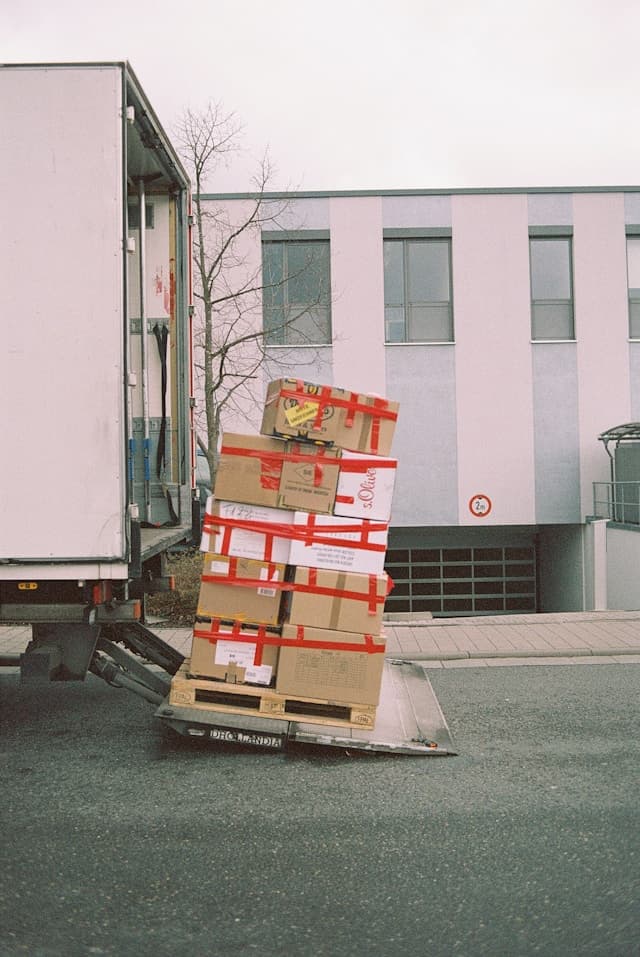
Our team at Move & Care has helped a lot of families move in Los Angeles, so we know how to keep parking issues to a minimum. Last but not least, here are some tips to make parking easy on moving day:
- Apply for permits early. This is very important. The government in Los Angeles can be slow, and some permits need time to be processed. If you can, try to get your permit at least one to two weeks before you move. The city strongly suggests at least 8 business days in advance for moving permits. If you apply early, you have time to fix any problems and make sure you get approved on time. If you need a permit quickly or at the last minute, you should go to a LADOT service center in person. If there are enough staff, you may be able to get one the same day.
- Communicate with your neighbors. If you're moving from a busy neighborhood street, it's kind and smart to let your neighbors know ahead of time that you need to reserve parking. The city will sometimes put up flyers with no-parking signs, but a nice heads-up can go a long way. If people in the neighborhood know that a moving truck is coming, they might not park there. In places where people know each other well, we've seen people leave spaces open on purpose. If you don't have a permit and want to save spots on your own, you should definitely talk to your neighbors about it. For example, you could park your own car (or a friend's car) in front of your house the night before to hold a spot, then move it when the truck comes. On streets with less traffic, this tactic might work, but keep in mind that it doesn't have legal standing. If someone you don't know parks there or if there are restrictions, you can't rely on it. You should only "park your car to save a spot" if you're sure it's okay and safe to do so.
- Check all local parking rules. Check the street signs on your block and any special rules for your neighborhood again before moving day. Do the times that the streets are cleaned clash with when you're moving? Is it an area where you can only park with a permit (so only residents can park without a 2-hr limit)? If so, a moving truck might not need a permit while it's busy loading and unloading, but that's not a given. It's safer to get a permit than not. Also, look for red curbs, loading zones (yellow curbs), or anything else that would make it impossible for the truck to fit. You might find it helpful to measure or guess how long the space is. If you think one truck won't fit, you may need the city to put up signs to clear a longer area. On your permit application, you can ask for more feet. Making sure there is enough space will save time when it's time to move the truck.
- Keep permits and documentation on hand. Have a hard copy of any permits you got, or at least a digital copy on your phone. If a parking enforcement officer comes up to the truck, you can quickly show that you are allowed to be there. For oversize permits, the directions generally say to display it on the driver’s side dashboard or window. That way, it will be seen from the outside. Also, if the moving company got the permit, make sure the crew knows and has all the proof they need. Being able to check your permit right away can help you avoid confusion or tickets. We also suggest that you take a picture of the posted "no parking" signs so that you have a record, just in case something goes wrong.
- Have Parking Enforcement contacts ready. We hope you never have to use it, but keep the non-emergency phone numbers for LADOT Parking Enforcement and the local cops close by. In the city of Los Angeles, you can call 311 to get connected or call the dispatch number for parking enforcement directly. For example, one dispatch number is (818) 374-4823 for the Valley Bureau. In West Hollywood, violations can be reported to 323-650-6757, which is also the number listed on their website. If someone is violating your reserved zone or if your truck is being harassed for some reason even though it has a permit, you should call right away. Also, if you find that your signs are missing or fell down on the day of the move, call the city before you park the truck. They might tell you what to do or send an officer to confirm your permit so you don't get fined. If the signs aren't there but you have the permit, you can usually still use the space—just make sure to show the permit. Cars that were already parked there when the signs went away can't be towed since they didn't get notice, but you can still use the space if it's available.
- Consider timing your move strategically. If you can, try to load and unload at times when there are fewer people around. It might be easier to find a parking spot if you move on the weekend early in the morning. A lot of LA main streets have "No Stopping, Tow Away" signs during morning and afternoon rush hours, so stay away from those. If your spot is on a street with rush-hour rules, you should plan to be done (or not started yet) during those times. Your permit won't change that. Otherwise, the truck could be towed or given a ticket, even though you have a permit. This is because those rules are generally for safety reasons. Sometimes it's worth the extra money to start the move after 9 a.m., when traffic is at its worst, so the truck can legally park all day.
- If moving to a different city or jurisdiction, get the right permit there too. Are you moving to or from a place outside of Los Angeles? Remember that every place has its own rules. For example, if you want to move within West Hollywood, you need to get a permit from WeHo City Hall. This is called an "encroachment permit," and they will put up signs like LADOT does. Other nearby cities, like Burbank, Pasadena, Santa Monica, and others, also have parking or public works offices that can give you a temporary moving permit. Don't think that a city permit for LA will cover an address in Santa Monica (or vice versa). It won't. Talk to the government of each place to find out how they do things. Like LA, many of them have online paperwork and small fees. As a moving company, we often need to get permits in more than one place when we do moves between cities.
You can have a stress-free move without any parking problems if you follow these tips and the rules we've laid out. Being ready ahead of time is very helpful when moving in Los Angeles, which is a very busy place. The people who work at Move & Care are proud to help clients with these details. We live and work in these areas too, so we know how things work. By getting the right parking permits and making plans ahead of time, you show that you know how to professionally handle the move and that you care about your neighbors and the city's rules. That's good for everyone.




