

Written by Move and Care Team

Edited and Fact Checked by Taras Kim
Updated: May 13, 2024
Moving to Irvine, California is an exciting prospect for many – this master-planned city in Orange County often tops lists of the safest and most livable communities in the U.S. With its award-winning schools, thriving job market, and abundance of parks, Irvine offers a high quality of life that attracts everyone from young professionals to families and retirees. Of course, no city is perfect: Irvine’s benefits come with a high cost of living and a suburban atmosphere that might feel tranquil or tame, depending on what you’re seeking. This comprehensive guide will walk you through everything you need to know before moving to Irvine – from housing costs and neighborhoods to schools, jobs, and what life is like in this sunny Southern California gem.
Whether you're preparing to move by yourself or with Irvine movers, our comprehensive guide will give you a complete look at Irvine!
Irvine at a Glance: Location, Climate & Community
Irvine is located in the heart of Orange County, CA, about 40 miles south of Los Angeles. It’s ideally situated – drive 10 minutes west and you’re at the Pacific coast (Newport Beach), or head an hour north to reach LA’s urban attractions. Despite being part of the greater LA region, Irvine stands out as a clean, meticulously planned suburban city rather than a dense metropolis. The city was master-planned and divided into villages, each with its own architectural style, shopping centers, and parks, giving residents a sense of community on a smaller scale within the larger city. One thing you won’t find is a bustling downtown strip – Irvine’s entertainment and shopping are spread across multiple centers by design.
Newcomers will notice how diverse Irvine is. Of the roughly 319,000 people who call Irvine home, no single ethnic group forms a majority – the city is a true melting pot (about 44% Asian, 39% White, with Hispanic, Black, and other groups making up the rest) (World Population Review). This diversity is reflected in community events like the annual Global Village Festival, where residents celebrate cultures from around the world through food, art, and performances.
Climate:
Say hello to sunshine. Irvine boasts a Mediterranean climate with mild winters and warm summers. Average highs range from the mid-60°F in winter to the low 80°F in summer (City of Irvine). You’ll get around 280+ sunny days per year and only minimal rain mainly in winter. This pleasant weather means you can enjoy outdoor activities year-round – an aspect of life in Irvine that many residents cherish. From jogging on shaded trails in February to having a beach day in October, Irvine’s weather makes it easy to stay active and enjoy nature.
Community vibe:
Irvine often feels tranquil, orderly, and family-oriented. Streets are wide and tree-lined, public spaces are well-maintained, and there’s a strong sense of civic pride. The city consistently invests in community facilities like parks, sports fields, and libraries. It’s not uncommon to find neighbors gathering at a weekend farmers market or families cheering on kids’ soccer games at one of the many sports parks. If you’re moving from a busier city, Irvine’s calm and neatly structured environment will be a noticeable (and usually welcome) change.
Safety – A City That Ranks #1
One of Irvine’s biggest draws is safety. The city has been named America’s safest big city (population 250,000 and up) by FBI crime reports for 18 consecutive years (City of Irvine) Crime rates in Irvine are remarkably low – the violent crime rate is 0.91 per 1,000 residents, and the property crime rate is 17.15 per 1,000 residents, both significantly below national averages (NeighborhoodScout). For example, it’s common for residents to point out that you can walk in any neighborhood at night and feel secure. Irvine’s public safety department and community policing programs are frequently cited as models for other cities.
What does this mean for you? Peace of mind, for one. Families feel comfortable letting kids play in local parks, and there’s a general sense of security that underpins daily life. While living in an ultra-safe city might be something you take for granted over time, it’s a quality of Irvine that residents genuinely appreciate. (It’s worth noting that Irvine’s safety is part of why it can be pricier – many people are willing to pay a premium to live in a community with such low crime.)
Another facet of safety is traffic safety and infrastructure. Irvine was planned with modern traffic management; an advanced sensor system monitors traffic flow and adjusts signals to prevent gridlock, so driving in the city is relatively smooth. The roads and sidewalks are well-designed, contributing to both driver and pedestrian safety. This doesn’t mean there’s no rush-hour traffic (arterial roads do get busy), but compared to the congestion in neighboring areas, Irvine is a breath of fresh air for commuters.
The Cost of Living in Irvine
If you’re eyeing Irvine, you’ve likely heard of the high cost of living. It’s true – Irvine is one of the more expensive places in California, which itself is above the national average. Overall, living in Irvine costs about 47% more than the U.S. average in expenses, once you factor in housing, transportation, etc. (Economic Research Institute). The biggest factor is housing. As of 2025, the median home price in Irvine is around $1.6 million (Zillow), and it’s not unusual to see even modest single-family homes routinely selling above $1 million. For renters, the market is also pricey: a one-bedroom apartment averages around $2,879 per month (Apartments.com), and larger 2-3 bedroom apartments or townhomes can go for $3,500+ monthly (depending on the neighborhood and amenities).
Why so expensive? You’re paying for safety, top schools, and new, well-kept housing – all in a desirable Southern California location. By comparison, the median home price nationally is about $430,000, so Irvine’s housing is roughly 3-4 times the U.S. median. Even compared to the California median (~$750k), Irvine is about double. Other costs like groceries, healthcare, and utilities in Irvine run ~5-15% higher than U.S. averages. California’s gas prices are infamously high, so commuting can also add to your budget.
That said, salaries in Irvine tend to be higher to match. The median household income here is around $129,647 (Neilsberg), which far outpaces the U.S. median (~$70k). Many households have dual high-income earners working in tech, finance, or other professional industries, which helps sustain the cost of living.
If you’re moving here for work, it’s a good idea to budget carefully. Homeownership is a great investment in Irvine if affordable for you – property values have historically risen due to demand (and limited space for new development). For those not ready to buy, renting first to get a feel for the area is common. Some new Irvine transplants opt to live in slightly less expensive nearby communities (like Tustin or Lake Forest) and commute a short distance, but they sacrifice being within Irvine’s city limits and school district.
In summary, expect to pay a premium for the Irvine lifestyle. Knowing this upfront means fewer surprises – and you can then decide which expenses to prioritize. (For instance, some residents save by taking advantage of Irvine’s many free parks and events for entertainment, or by carpooling to work to cut transportation costs.)
Housing and Neighborhoods
Irvine’s housing is a mix of master-planned villages, each with its distinct character. Whether you’re looking for a modern apartment, a cozy townhouse, or a spacious single-family home, you’ll find options – if you can afford them. Here’s a quick tour of Irvine’s notable neighborhoods and what they offer:
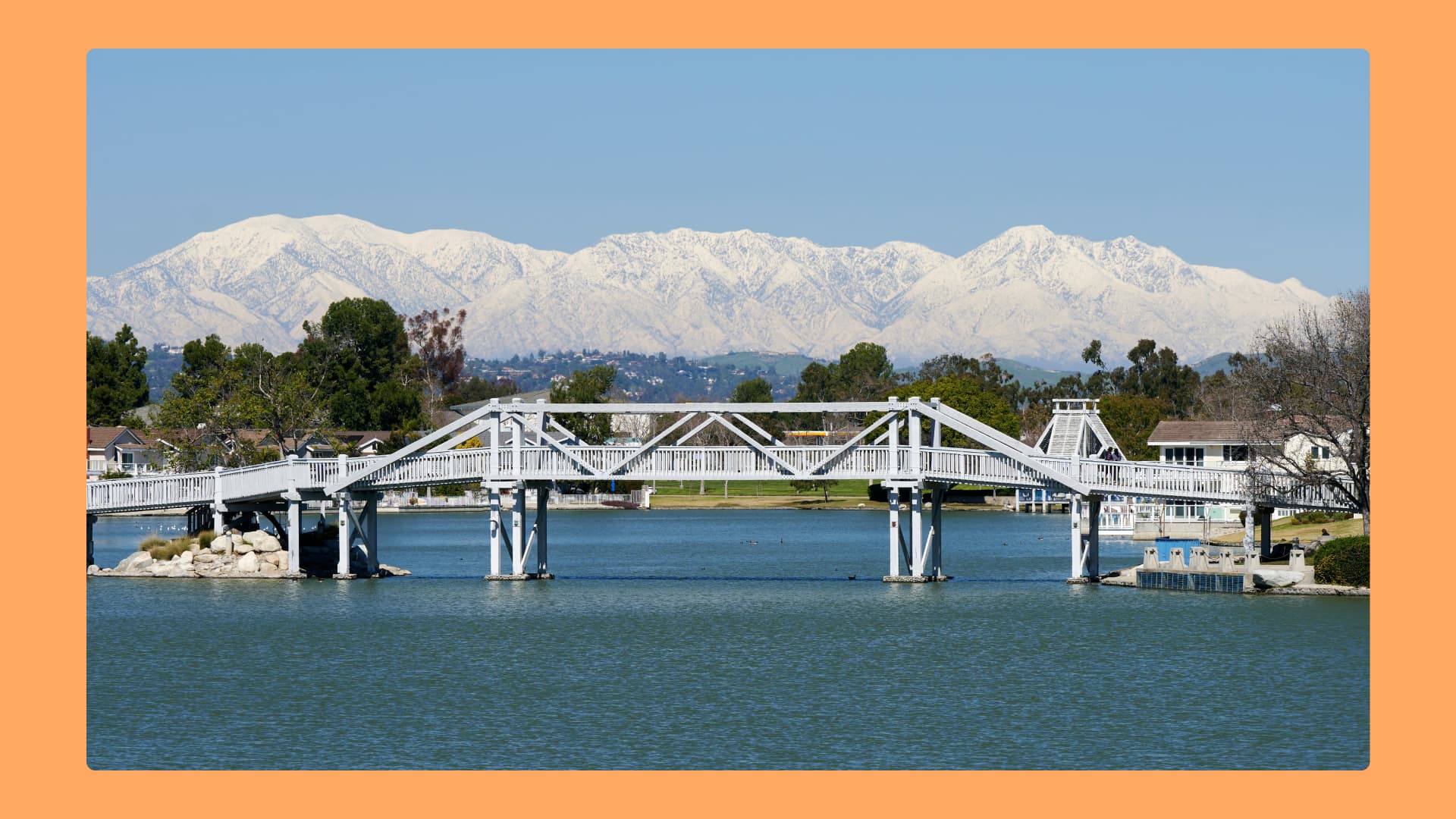
- Woodbridge: A popular choice for families, Woodbridge is known for its two man-made lakes and resort-like amenities. Homes here include condominiums and single-families from the 1970s-80s (many updated). Residents enjoy lagoons, multiple pools, tennis courts, and parks. The community’s centerpiece lakes (North and South Lake) have walking paths and even beach clubs – it’s a picturesque, family-friendly area with top-rated elementary schools.
- Northwood & Northwood Irvine: One of the older established communities (Northwood) and its newer extension (Orchard Hills area in North Irvine). These areas offer everything from entry-level condos to luxury homes. Northwood features Northwood High School, one of the top high schools in the district. Neighborhoods here are known for having no master HOA (in classic Northwood), tree-lined streets, and the expansive Northwood Community Park. The newer developments near Orchard Hills boast modern homes, gated communities, and access to scenic avocado groves and hillside trails.
- Turtle Rock: Nestled against the hills, Turtle Rock is one of Irvine’s original villages and remains highly desirable. It has panoramic views of the city and is adjacent to preserved open space. Homes are pricier here, often semi-custom, on larger lots by Irvine standards. Turtle Rock feeds into some of Irvine’s best schools and is very close to UC Irvine. It’s quiet, with lots of cul-de-sacs and hiking trails (the Bommer Canyon trailhead is nearby).
- University Town Center & Westpark: If you’re a young professional or student, areas like University Town Center (UTC) might appeal. UTC is right by UC Irvine – it has many apartments and condos, popular with students, faculty, and young families. You can walk to campus and enjoy the University Center shopping plaza (full of eateries and a cinema). Westpark, on the other hand, is a large village closer to the Irvine Business Complex; it offers a mix of condos and houses from the 1990s. Westpark has a bit more urban feel (it’s near the District shopping area in Tustin and the Diamond Jamboree center).
- Great Park Neighborhoods: One of the newest and rapidly growing sections of Irvine, built around the Orange County Great Park (a former Marine Corps air base). Great Park neighborhoods (like Pavilion Park, Beacon Park, Parasol Park, etc.) feature brand-new homes, from townhouses to large single-families, many with solar panels and tech-forward designs. Each sub-neighborhood has its own park/pool, and they all share proximity to sports facilities and a planned giant water park and veteran’s cemetery (in development). If you want new construction and don’t mind ongoing development around you, this area is worth a look.
- Oak Creek, Quail Hill, Portola Springs, and Others: Irvine has over two dozen villages. Oak Creek and Quail Hill are in south Irvine, offering a mix of condos and detached homes with great access to the 405 freeway (Quail Hill also borders preserved open space, ideal for nature lovers). Portola Springs is out on the eastern edge, newer and a bit more secluded – its homes span starter townhomes to high-end properties, often attracting those who want new homes with slightly more space and don’t mind being a 10-15 minute drive from central Irvine.
Regardless of neighborhood, expect well-kept community amenities. Most villages have multiple pools, parks, and playgrounds. Homeowners’ associations (HOAs) are common and help maintain common areas and architectural standards – fees vary by neighborhood. Some people love the uniform look and lush landscaping the HOAs preserve, while others find the rules restrictive (for instance, you might need approval to paint your home a certain color). It’s a trade-off typical of living in a master-planned city.
Housing tip: If you have kids and schools are a priority, factor school boundaries into your neighborhood choice – Irvine is generally excellent across the board, but each village is zoned to specific elementary and middle schools (and eventually funnel into one of Irvine’s high schools, all of which are highly ranked). Fortunately, it’s hard to go wrong, as Irvine Unified School District is among the top 20 districts in California. Some slight distinctions: for example, University High (serving Turtle Rock/University area) has a reputation for a competitive academic environment, while Northwood High (serving Northwood) is known for strong music programs. These are minor differences; all Irvine schools perform well above average.
Job Market
Another reason people move to Irvine is for jobs. Irvine is a major job hub in Orange County, with an economy that’s diverse and dominated by high-paying industries. The city hosts around 15,000 businesses including numerous corporate headquarters and regional offices. Whether you’re in tech, healthcare, education, or finance, chances are there’s a company in Irvine (or a neighboring city) looking for talent.
Major employers and industries:
- Technology and Gaming: Irvine has a slice of Silicon Valley in it – Blizzard Entertainment (video game giant behind World of Warcraft) is headquartered here, as are other game developers and tech firms. Broadcom (semiconductor), Alteryx (analytics software), and many startups call Irvine home. Big tech names like Google and Amazon have significant offices here as well. The “Innovation Orange County” scene is real – there are tech incubators and VC presence, partly fueled by talent from the local university.
- Healthcare and Biotech: You’ll find Edwards Lifesciences (known for medical devices) headquartered in Irvine, and a strong cluster of biomedical companies in the area. Plus, UCI Medical Center and other hospitals/clinics are major employers. If you’re a healthcare professional or researcher, Irvine offers opportunities in both clinical and corporate settings.
- Education and Academia: University of California, Irvine (UCI) itself is one of the largest employers in the city, from faculty to administrative staff. The university and its research park spawn lots of jobs and startups. Additionally, Irvine Valley College and the excellent Irvine Unified public schools contribute plenty of education sector jobs.
- Finance and Business Services: Irvine’s Spectrum and Airport Area are filled with offices – there’s a notable presence of consulting firms (like Deloitte), accounting firms (KPMG, PwC), and numerous startups/entrepreneurial ventures. Even some automakers (like Kia’s U.S. headquarters) and fashion companies (Tilly’s, St. John Knits) are headquartered here. The job market isn’t reliant on one industry, which means a relatively stable local economy.
The city’s median income being over $100k reflects these abundant skilled job opportunities. Even during broader economic downturns, Irvine tends to have a lower unemployment rate than the state average. If you’re moving without a job lined up, note that competition can be stiff given the high qualification of the workforce (recall that many residents have college or advanced degrees). Networking through UCI or local industry groups can be a great way to tap into opportunities.
Commuting for work:
Many residents both live and work in Irvine – a dream scenario of a short commute. If you’re among them, you’ll appreciate avoiding the freeway gridlock. If you work elsewhere, Irvine is pretty centrally located in OC: roughly 20 minutes to central job centers like Costa Mesa or Anaheim (traffic permitting). Some Irvine residents do commute to Los Angeles or San Diego, but those drives during rush hour can easily exceed 1-2 hours, so consider the distance carefully when choosing where to live versus work. The Metrolink train from Irvine station is an option to reach downtown LA in about an hour, which a handful of super commuters use.
Bottom line: moving to Irvine for a job is a common scenario, and if you’re in a high-growth field like tech or medicine, you’re in the right place. The city’s investment in business (like the new Spectrum Terrace office campus and The Vine co-working space near UCI) shows Irvine is poised to remain an economic powerhouse in the region.
Schools and Education
Ask any Irvine resident what the city’s crown jewel is, and many will say the schools. Irvine Unified School District (IUSD) has a stellar reputation – it’s routinely ranked among the best school districts in California, and its students score at the top of state tests in math and reading. If you’re moving with kids, you’ll be hard-pressed to find a better public education system.
K-12 Education:
Irvine has 40+ public schools (elementaries, middle, and high schools) and they are generally modern, safe, and academically rigorous. Many schools here have earned National Blue Ribbon or California Distinguished School awards. For example, University High School and Northwood High School are often ranked in the top high schools in the state, boasting high AP exam pass rates and college matriculation stats. Elementary and middle schools are zoned by village – one perk of the planned layout is that most homes are walking distance to a local elementary school and community park. Parent involvement is high; you’ll find active PTA groups and lots of extracurricular options from robotics clubs to music programs starting in early grades.
One thing newcomers quickly realize: education is a community priority in Irvine. It’s not unusual to find library parking lots full on weekends with students studying, or to see city programs geared toward youth enrichment. The safety and educational opportunities were a big part of why Irvine was also named one of the best cities in America for families. If you’re coming from out of state or overseas, Irvine’s public schools will likely meet or exceed your expectations. (And should you prefer private schooling, Irvine and the surrounding area have numerous private institutions and international schools as well.)
Higher Education:
Irvine is home to the University of California, Irvine (UCI), a top-ranked research university. UCI injects a youthful energy and intellectual vibe into the city. The campus hosts events like open lectures, a popular annual Shakespeare theater festival, and an array of collegiate sports (the UCI Anteaters are competitive in volleyball, soccer, baseball, etc.). If you or a family member plan to pursue further education, having UCI right in town is a bonus – they offer extension programs and courses for adult learners too.
Beyond UCI, there’s Concordia University (a private university), and Irvine Valley College (IVC), a highly rated community college, both within city limits. These institutions not only provide education but are also part of why Irvine’s population is so highly educated. Moving to Irvine means you’ll be in a city where learning is valued, and opportunities for personal development (from professional certificate programs to community education classes) are readily available.
Fun fact: UCI’s presence also means medical facilities are top-notch – UCI Health includes a major medical center and soon a new hospital in Irvine, ensuring residents have access to excellent healthcare and specialists close by.
Things to Do: Parks, Recreation, and Entertainment
You might wonder, with its buttoned-down reputation, what does Irvine offer for fun? The answer is plenty, especially if you enjoy outdoorsy, family-friendly, or cultural activities. While Irvine isn’t a nightlife capital, it excels in daytime recreation and community events. Here’s a taste of what you can look forward to:
- Outdoor Parks and Trails: Irvine has an abundance of parks – over 16,000 acres of parks, sports fields, and open space. The Orange County Great Park is a standout – built on a former Marine base, it features soccer fields, baseball stadiums, a weekly farmers market, an art complex, and the iconic Great Park Balloon (a giant orange hot air balloon ride that gives a 400-foot-high view of the city). There’s also a developing Wild Rivers water park next to it. For hiking and biking, the city offers trails like Bommer Canyon and Quail Hill Loop that connect to the vast Irvine Ranch Natural Land Preserve. You can hike from the hills and see the ocean on a clear day. The Jeffrey Open Space Trail runs through town and is perfect for evening strolls or cycling, linking multiple villages through green belts. With the great weather, you’ll see residents jogging or biking year-round.
- Beaches Nearby: While Irvine itself isn’t on the coast, a 10-15 minute drive can put you on the sands of Laguna Beach or Newport Beach. Many Irvine locals take advantage of how close they are to some of California’s best beaches – you can finish work and catch a sunset surf or beach walk. Irvine’s central location also means weekend getaways to LA, San Diego (about ~1-1.5 hours away each) or even Big Bear Mountain for skiing (2 hours) are quite feasible.
- Family Attractions: The city is a paradise for kids. Check out Pretend City Children’s Museum, a wonderful interactive museum that’s essentially a mini city for kids to play in (with “stores,” a “café,” and more). It’s a hit for toddlers and young children. The Irvine Spectrum Center isn’t just for shopping – it has a Giant Ferris Wheel, carousel, and an Improv comedy club. During winter holidays, they even set up an outdoor ice rink under the palm trees. Boomers Irvine (in neighboring Lake Forest) offers mini-golf, go-karts, and arcade games for family fun as well. And for nature education, the San Joaquin Wildlife Sanctuary is a peaceful wetland where kids (and adults) can learn about birds and ecology while walking the trails.
- Shopping & Dining: If you love to shop, Irvine will keep you busy. Irvine Spectrum Center is the flagship outdoor mall, with everything from the latest fashion brands to a 21-screen movie theater and dozens of restaurants (ranging from fast-casual to upscale). It’s also visually appealing, often lit up with colorful lights at night and live entertainment on weekends. Other shopping centers include The District (in the Tustin/Irvine border) and South Coast Plaza (technically in Costa Mesa, 15 minutes away, one of the largest malls in the U.S.). But a unique aspect of Irvine is its smaller specialty plazas – especially those with international flair. For instance, Diamond Jamboree center is famous for its Asian eateries (you’ll find authentic Taiwanese boba tea, Japanese ramen, Korean BBQ, and more there – often with lines out the door, a testament to their quality). There are also Persian, Indian, and Mediterranean restaurants reflecting Irvine’s cultural mix. Foodies will appreciate that you can find nearly any cuisine in Irvine, from food trucks at the Great Park to fine dining steakhouses.
- Arts & Culture: Irvine might not be as artsy as Laguna Beach, but it has cultural gems. Irvine Barclay Theatre near UCI hosts plays, concerts, and dance performances – everything from international symphonies to contemporary dance troupes take the stage there. The adjacent Segerstrom Center for the Arts (just outside Irvine in Costa Mesa) is a world-class venue for Broadway shows and the Pacific Symphony. If you’re into art galleries, UCI’s Institute and Museum for California Art (IMCA) houses an impressive collection of California Impressionist paintings (very fitting, given the Irvine Museum’s focus mentioned in Movoto’s list). Throughout the year, the city and UCI also team up for events like outdoor movies, chalk art festivals, and more.
- Community Events: We mentioned the Global Village Festival, which is a can’t-miss annual event each fall featuring international food, music, and booths representing cultures from around the world – truly showcasing Irvine’s diversity. In summer, Irvine’s Mike Ward Community Park hosts evening concerts where you can picnic on the lawn and listen to live music. The Great Park has seasonals events like summer concerts on the green and a massive pumpkin patch and holiday lights in the fall/winter. There are also frequent sports tournaments, given the many facilities – if you have kids, you might quickly get involved in weekend soccer or baseball leagues which are very active here.
In short, you won’t be bored in Irvine if you enjoy an active, family-friendly lifestyle. Night owls should note: by around 10 pm, the city gets pretty quiet. Most restaurants and bars close by midnight (if not earlier), and there’s no club scene to speak of. Nearby cities like Newport Beach or Costa Mesa have more nightlife. Irvine’s vibe is more about daytime activity and early evening fun. Many residents are fine with that trade-off – it’s part of what keeps the city quiet and low-crime – but it’s good to set expectations if you’re used to a 24/7 city.
Getting Around: Transportation in Irvine
Southern California is famously car-centric, and while Irvine is no exception, it is better planned for cars than many places, and there are some transit options too.
By Car:
Most people in Irvine drive. The city’s layout makes driving relatively easy: major streets are wide, often with 3-4 lanes each way, and as mentioned, smart traffic light systems help optimize flow. Parking is generally ample and free in shopping centers and parks (another perk compared to dense cities). The 405 (San Diego) Freeway and 5 (Santa Ana) Freeway cross through Irvine, meeting near the Spectrum Center – these are the main north-south arteries of Southern California. Additionally, the 133, 241, and 261 are toll roads that provide speedy routes to certain areas (if you’re willing to pay a few dollars, you can bypass traffic at times). The benefit of Irvine’s location is that it’s roughly equidistant to LA and San Diego, and central in OC. The downside is those freeways can get very congested during rush hours. If you work standard hours, expect the 405 north toward LA to slow to a crawl in the mornings and the reverse in the evenings. Planning your commute or finding carpool buddies can save time.
Public Transit:
Irvine is served by OCTA buses which can get you around Orange County. There’s also a city-operated shuttle called iShuttle that connects some business areas and the train station. Realistically, though, only a small percentage of residents use public transit daily – those who do are often students or commuters to LA using the train. The Irvine Transportation Center is a hub that offers Metrolink and Amtrak train service. The Metrolink train can take you to downtown Los Angeles in about an hour and 15 minutes (faster than driving in traffic). It’s a comfortable ride and a popular option for some professionals who work in LA a few days a week. There’s also an Amtrak Pacific Surfliner that goes down to San Diego or up to Santa Barbara, which is more for leisure travel. If your workplace is near Union Station in LA, the train from Irvine is worth considering to avoid a brutal commute.
Biking/Walking:
Irvine prides itself on being bike-friendly. There are bike lanes on most major roads and a network of off-road trails. You’ll see many cyclists on weekends riding along Alton Parkway or around the Great Park. For shorter trips, biking is quite feasible – e.g., students biking to UCI or families biking to a nearby park. Walking within your village is easy (there are sidewalks everywhere and underpasses so you don’t have to cross big roads), but walking citywide isn’t practical due to distance. Still, some villages have shopping centers in walking reach. For example, if you live in the Westpark area, you might walk to the grocery store or cafe.
Air Travel:
One fantastic convenience is John Wayne Airport (SNA), located just on the border of Irvine and Newport Beach. It’s a medium-sized airport with non-stop flights to many domestic hubs (and a few international destinations like Mexico and Canada). From most of Irvine, you can be at SNA in 10 minutes. This is a huge quality-of-life bonus for frequent travelers – no need to trek to LAX unless you have a long-haul international flight. And if you do need LAX, it’s about 45-60 minutes away without traffic (double that in bad traffic).
Traffic perspective:
Within Irvine, commute times are usually 15 minutes or less if you live and work in the city. Many people intentionally rent or buy homes close to their workplace or their kids’ school to minimize driving (one of the perks of everything being master-planned is that there’s often nearby housing for major office areas). If you find a job in Irvine and also live in Irvine, you might find you only use a tank of gas per month – a dream for SoCal. Conversely, if you end up commuting from Irvine to say, downtown LA, brace yourself for potentially one of the longest commutes in the nation. It truly comes down to where work is relative to home, and Irvine fortunately has a lot of jobs in the city.
Pros and Cons of Living in Irvine
Every city has its advantages and drawbacks. To wrap up, here’s a summary of Irvine’s pros and cons to consider in your moving decision:
Pros:
- Exceptional Safety: Irvine’s extremely low crime rate is a major plus. Residents enjoy a secure environment, which is especially reassuring for families and those coming from areas with higher crime.
- Top-Tier Schools: From kindergarten to PhD, Irvine offers excellent education. The public schools rank among California’s best, and having UC Irvine in town adds to the intellectual capital. If education is a priority, Irvine delivers.
- Strong Economy & Job Opportunities: The job market is robust, with opportunities in tech, healthcare, education, and more. Unemployment is low, and the median income is high. It’s a city of achievers, which can open doors for career growth.
- Clean, Green, and Well-Maintained: Irvine’s cleanliness and orderliness are immediately noticeable. Parks are lush, streets are clean, and everything feels well-organized. The city is also forward-thinking with green initiatives (lots of recycling, many electric vehicle drivers, etc.).
- Recreation and Family-Friendly Amenities: With numerous parks, sports leagues, community centers, and events, Irvine is fantastic for families and outdoor enthusiasts. You don’t have to leave the city to hike, bike, or enjoy a concert in the park. And when you do want to explore, the beach, mountains, and theme parks (Disneyland is 20 minutes north) are all within easy reach.
Cons:
- High Cost of Living: The biggest con is affordability. Housing costs are among the highest in the region, whether buying or renting. This can put a squeeze on budgets and is something to plan for (larger down payments, higher rent ratios, etc.). Also, some services and goods cost more locally. In short, Irvine’s excellence comes at a premium.
- Limited Nightlife & Urban Culture: If you crave a bustling city nightlife with a variety of bars, clubs, or a vibrant arts district, Irvine might feel too quiet or “cookie-cutter.” The city’s entertainment is mostly malls, movies, and dining out. For late-night fun or a less curated environment, residents often drive to neighboring cities. The uniformity and strict planning mean you won’t find quirky indie neighborhoods or historic downtown streets – depending on your preference, that can be a downside.
- Strict Regulations: Those master-plan HOA rules can be restrictive. There are rules about everything from house paint colors to where you can park overnight. Also, things like fireworks are banned (for safety), and even something like putting up holiday decorations might come with guidelines. While many appreciate the order this creates, others might find it stifling compared to living in a less regulated town.
- Traffic and Connectivity: Regionally, Southern California traffic is a con that affects Irvine too. If you need to commute out of Irvine during rush hour, or if you plan activities during peak traffic times, be prepared for congestion on the 405/5 freeways. Public transit within the city is limited, so a car is almost a necessity which adds to living costs.
- Homogeneity: This is subjective, but some people describe Irvine as a “bubble.” The crime is low, the lawns are trimmed, and there’s a certain affluence and homogeneity in the environment. Some may find it lacks a gritty, real “edge” or the diversity of architecture and style you’d find in older cities. On the flip side, many find this predictable environment very comforting. It’s a matter of personal taste.
Final Thoughts: Is Irvine Right for You?
Moving to Irvine, CA means stepping into a community designed for success – from its urban planning to its schools and businesses, everything is geared toward a high standard of living. If your priorities include safety, education, and a clean environment, Irvine will likely exceed your expectations. You’ll be joining a community of diverse, educated, and often internationally-minded residents (more than 1 in 3 Irvine residents were born outside the U.S., bringing a global flavor). It’s a place where neighborhoods are peaceful, opportunities are plenty, and sunny days are the norm.
However, it’s important to consider what you want in a hometown. Spend some time here if you can – visit the local parks, drive around the neighborhoods at different times of day, try out a restaurant or two, and see how it feels. That often solidifies whether the atmosphere is a good fit. Irvine tends to “just feel right” for people who value convenience and community. Many who move to Irvine end up staying long-term and even upsizing to bigger homes as their families grow, simply because they’re hard-pressed to find another city that checks as many boxes.
As you prepare for your move, take advantage of resources like the City of Irvine’s official website (for new resident guides), local forums or Facebook groups (where neighbors share tips), and perhaps local realtors or relocation specialists if you need housing guidance. And if you do make Irvine your new home, welcome! You’ll quickly see why Irvine consistently ranks as one of America’s most desirable places to live – and with the information in this guide, you’ll be well-prepared to make the most of all the city has to offer.




