


Moving-out essentials at a glance: the must-buys are a bed and bedding, core kitchenware (pots, pans, utensils, plates, a few small appliances), bathroom basics (towels, shower curtain, toiletries), cleaning and laundry supplies, and a handful of living-room items. Buy the bedroom and kitchen first, then fill in the rest over your first few weeks.
Moving out on your own for the first time is an exciting milestone – but once the thrill settles, you might be wondering: What exactly do I need to buy for my new place? Having a well-prepared shopping list can make your move much smoother. This guide is a comprehensive checklist of essential items to buy when moving out, organized by each area of your new home. It’s written in a professional tone for U.S. audiences and focuses purely on the necessities (no product endorsements – just practical advice). Use this as your go-to list to ensure you have everything you need to comfortably settle into your first apartment or house.
Bedroom Essentials
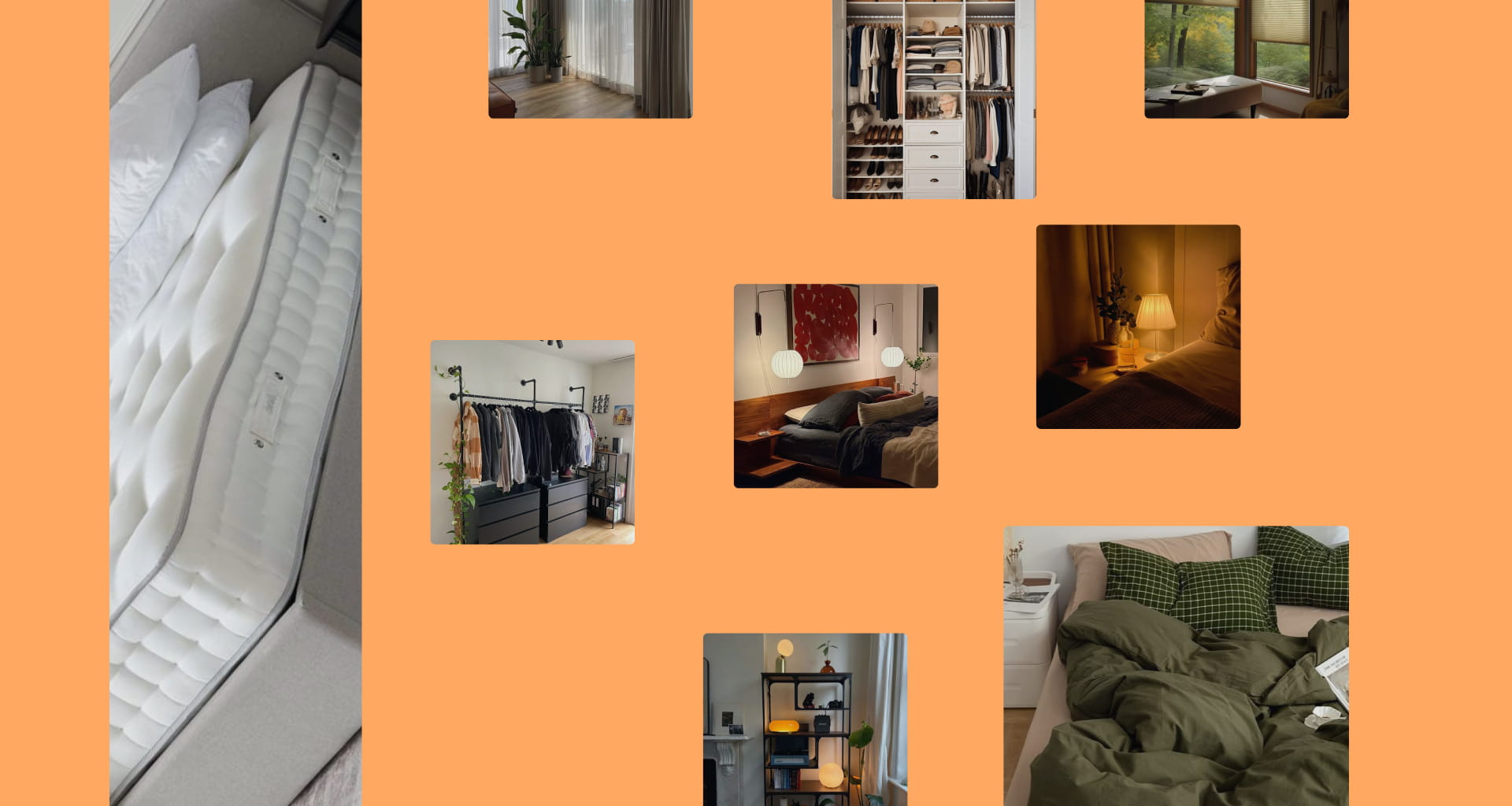
Your bedroom will be your sanctuary after long days, so start by equipping it for comfort and rest. Key bedroom items to buy include:
- Bed and Mattress – If you can’t bring an existing bed, invest in a decent mattress for good sleep. A bed frame (or at least a box spring/foundation) gets your mattress off the floor.
- Bedding – Sheets (preferably two sets), pillows, pillowcases, and a blanket or comforter. Don’t forget a mattress protector to prolong the life of your mattress.
- Storage for Clothes – A dresser or chest of drawers for folded clothing, and hangers for your closet to hang shirts, dresses, etc. An inexpensive laundry hamper is a must for dirty clothes.
- Lighting & Nightstand – A bedside table or nightstand and a lamp. This makes your room functional, allowing you to read or relax before sleep and have essentials (like your phone or a glass of water) within arm’s reach.
- Curtains or Blinds – Ensure your bedroom windows have curtains, blinds, or shades for privacy and to keep that early morning light out when you want to sleep in.
💡 Tip: You can often find affordable bedding and furniture at big-box stores or second-hand. As long as you have the basics (somewhere to sleep and store clothes), decorative items like throw pillows or artwork can be added over time.
Bathroom Essentials
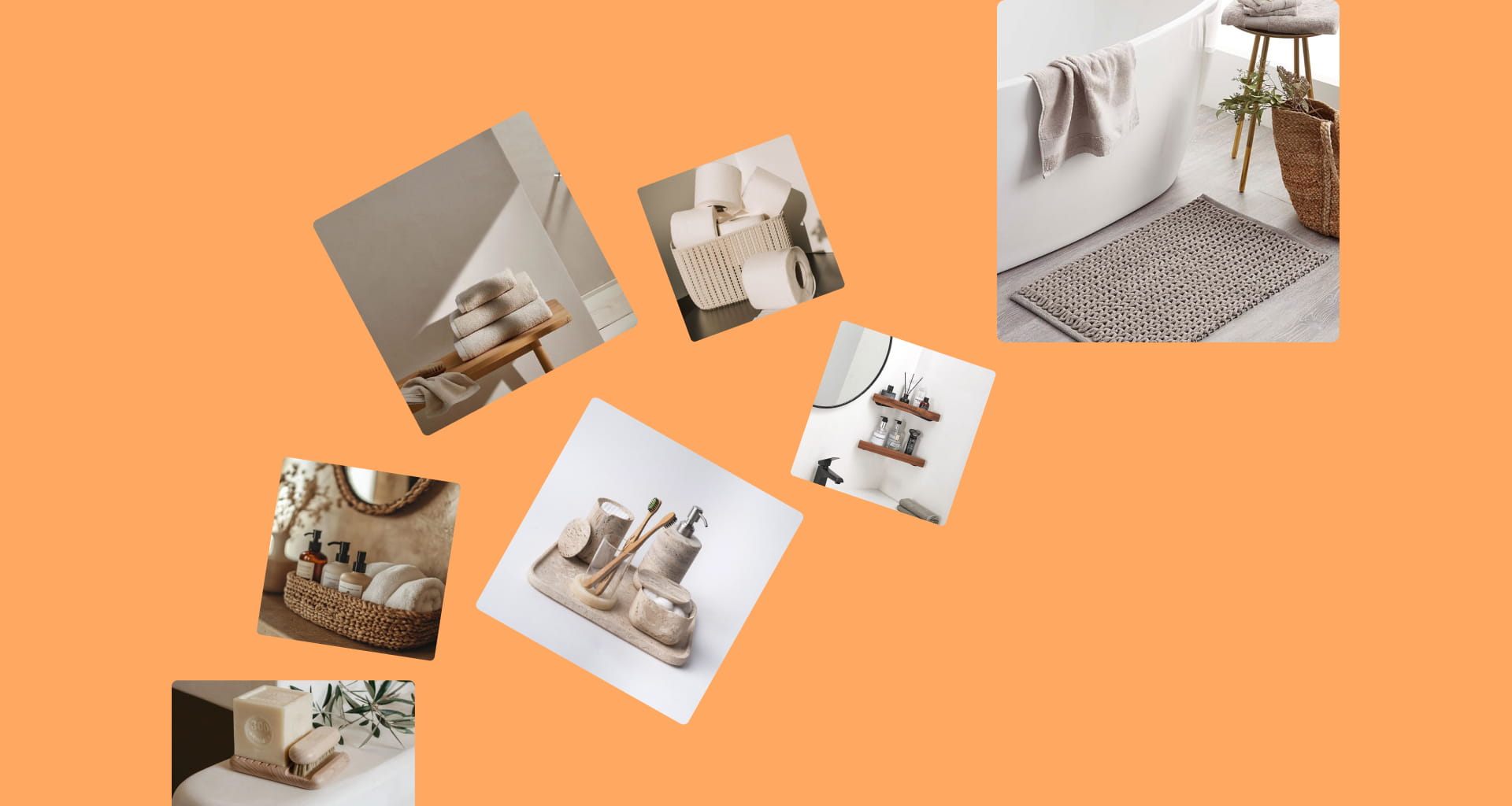
Picture moving in and realizing you can’t take a shower or use the toilet comfortably – avoid that scenario by stocking up your bathroom before move-in day. Important bathroom purchases include:
- Toilet Paper and Toiletries – Bring multiple rolls of toilet paper right away. Also have your personal toiletries: soap, shampoo, conditioner, toothbrush and toothpaste, deodorant, etc., ready to go.
- Shower Curtain & Bath Mat – If your new place has a shower or tub, you’ll likely need a shower curtain, curtain liner, and rings to hang it. A water-resistant bath mat for the floor is essential to prevent slipping and soak up drips when you step out.
- Towels – Get at least two bath towels and a couple of hand towels. This way you have one in use and one as a backup or for guests. Don’t forget washcloths or a bath sponge for personal use if you use them.
- Bathroom Accessories – A toilet plunger and toilet brush might not be glamorous buys, but you’ll be very thankful to have them on hand when needed. Also consider a small trash can for the bathroom and a toothbrush holder or cup.
- Basic First Aid and Medicines – Keep some band-aids, antiseptic wipes, and pain relievers in your bathroom cabinet. Also have a few essential medications (like fever reducers or any prescription meds) readily accessible; moving can sometimes come with minor scrapes or headaches, so it’s best to be prepared.
Having these bathroom basics from day one means you can freshen up and settle in without emergency runs to the store. You can always add decorative touches (like a matching soap dispenser or nice towels) later – focus on function first.
Kitchen & Dining Essentials
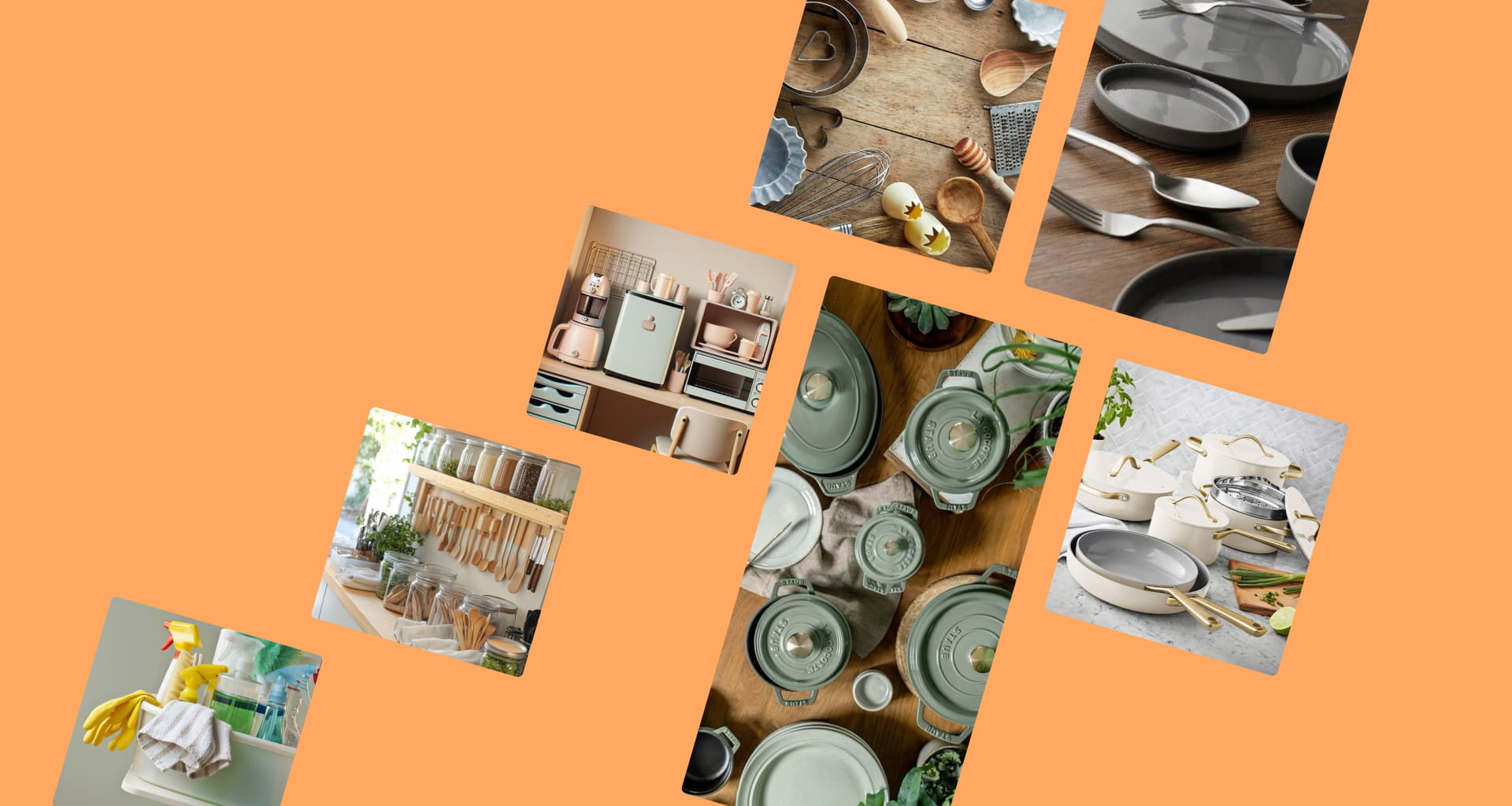
A well-equipped kitchen saves you money and truly makes your new place feel like home. Even if you plan to order takeout initially, you’ll eventually cook or prepare food. Here are the kitchen essentials to buy when moving out:
- Dinnerware and Utensils – Start with a set of plates and bowls, a few drinking glasses, and mugs. You don’t need a huge set for one person; four of each item is a good start. Get a basic set of silverware (forks, spoons, knives) as well.
- Cookware – Key pieces include one large pot (for pasta, soups, etc.), a medium frying pan/skillet, and a baking sheet. These basics will allow you to cook most simple meals. Add a saucepan and a casserole dish if you anticipate needing them, but they aren’t mandatory on day one.
- Cooking Tools – Don’t forget a cutting board and a good chef’s knife for food prep. Other handy tools: a spatula, wooden spoon, can opener, bottle opener, measuring cups and spoons, a colander (for draining pasta), and a mixing bowl. These tools are inexpensive but important for meal prep.
- Small Appliances – This depends on your habits. At minimum, most first apartments benefit from: a coffee maker (if you drink coffee) or electric kettle (if you prefer tea), and a toaster or toaster oven. A microwave is often considered essential too (unless your rental already has one). If your budget allows, a microwave can be a top priority for quick meals.
- Food Storage & Trash – Pick up some food storage containers or even just a roll of plastic wrap/foil to handle leftovers. Also, buy a trash can for the kitchen plus the right size trash bags. A smaller bin for recyclables is useful if you plan to recycle.
- Cleaning Supplies (Kitchen-specific) – Dish soap, a dish sponge or brush, and a drying rack or mat for hand-washed dishes. If you have a dishwasher, grab dishwasher detergent or pods. Paper towels or kitchen towels are also must-haves for spills and cleaning.
- Fire Safety – One item often overlooked is a fire extinguisher. A small kitchen fire extinguisher is a smart investment for any kitchen. Hopefully you’ll never need it, but it’s important for safety.
With these kitchen essentials, you can cook at home from the get-go and avoid the expense of eating out for every meal. Over time, you might expand your kitchen toolkit (adding items like a blender, more pots, or specialty tools), but the above list covers the basics for most cooking and dining needs.
Living Room Essentials

The living room is where you’ll relax and entertain, but setting it up can be simple and budget-friendly. Focus on the core pieces of furniture and lighting, then add decor gradually. Here’s what to get:
- Seating – A couch/sofa is usually the centerpiece. If a new sofa is out of your budget, consider alternatives: a futon or a loveseat, or even a couple of comfortable armchairs can work. The key is to have a place to sit. You can often find decent used sofas online or via thrift stores (just inspect for cleanliness).
- Table – A coffee table or a couple of small side tables give you a place to set drinks, snacks, or remotes. It doesn’t need to be fancy; even an inexpensive second-hand coffee table will do the job.
- Lighting – Many living rooms don’t have built-in ceiling lights, so you’ll want a lamp or two. A floor lamp can light up a whole room; a table lamp on a side table is good for reading or softer light. Good lighting makes your space cozy and functional in the evenings.
- Entertainment Setup – If you plan on having a TV, bring or buy a television and something to place it on (TV stand or wall mount). Don’t forget needed cables or a streaming device (like a Roku, Apple TV, etc.) if you use one. This is optional if you’re not a TV watcher – but at least have an internet setup and a laptop or radio for entertainment.
- Storage & Organization – A simple bookshelf or shelving unit is extremely handy for a living room. You can use it for books, decor, or even extra storage for dishes or pantry items if your kitchen is small. Also consider a TV stand with drawers or shelves, which can double as storage.
- Others – Curtains or blinds for any living room windows (for privacy and light control) are needed if not already provided. Also, have some power strips/extension cords for your electronics (TV, lamp, chargers) since outlets can be limited or not exactly where you need them.
With a couch, table, some lighting, and a way to enjoy media, your living room will be ready for movie nights and relaxation. You can gradually decorate with rugs, artwork, and throw pillows to personalize the space, but those aren’t urgent essentials when you first move in.
Cleaning Supplies & Laundry Essentials
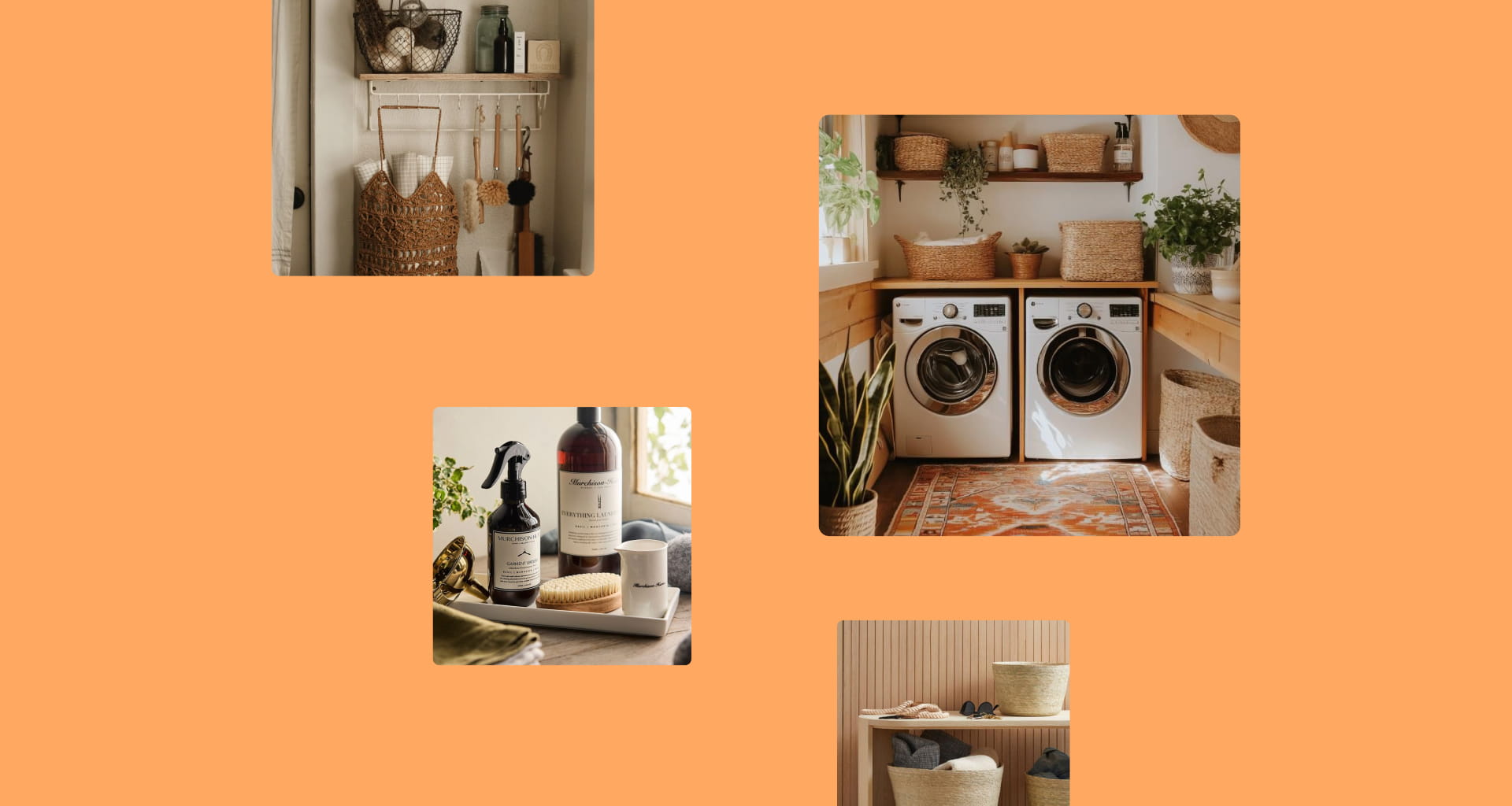
Maintaining a clean living space is much easier if you have the right supplies from the start. Here’s a checklist of cleaning and laundry items to buy early on:
- Basic Cleaning Tools: A broom and dustpan for sweeping floors, a mop or floor cleaner (a Swiffer-style mop is great for small apartments), and a vacuum cleaner. For small apartments, a lightweight stick vacuum or even a handheld vacuum can suffice initially – but do have something for vacuuming, especially if you have carpet.
- Cleaning Products: All-purpose cleaner (works on most surfaces), glass cleaner for mirrors and windows, toilet bowl cleaner, and perhaps a tile or tub cleaner for the bathroom. If you prefer eco-friendly options, white vinegar and baking soda can tackle many cleaning jobs too. Also grab a few sponges or microfiber cloths for scrubbing.
- Trash Bags & Bins: We mentioned a kitchen trash can – ensure you have the right size trash bags for it. Also use small garbage bags or grocery bags for smaller trash cans (bedroom, bathroom).
- Paper Goods: Paper towels are very handy for quick cleanups. If you use paper napkins or tissues, have those on hand as well.
- Laundry Essentials: Laundry detergent (pick a brand you like; pods or liquid are personal preference), and either dryer sheets or fabric softener if you plan to use them. If you won’t have in-unit laundry, consider a laundry basket or bag that’s easy to carry to the laundromat or laundry room. A drying rack is useful if you have clothes you prefer to air dry. Also, an iron and ironing board or a small garment steamer is good to have eventually – though if you’re not big on ironing, this can potentially wait until you really need it.
- Toolkit for Quick Fixes: While not cleaning per se, having a basic tool kit is essential for setting up and maintaining your new place. Get a small kit with a hammer, a set of screwdrivers (Phillips and flat-head), a tape measure, pliers, and a level. These will help with assembling furniture, hanging pictures or curtains, and minor fixes. Also include a flashlight and some batteries in your toolkit for emergencies or power outages.
With these supplies, you’ll be able to keep your apartment tidy from day one. Cleaning is never fun, but it’s much harder to do if you haven’t purchased any cleaners or brooms – so stock up early. You don’t need every cleaning product in the aisle; just the basics listed above will handle most messes.
Miscellaneous Must-Haves
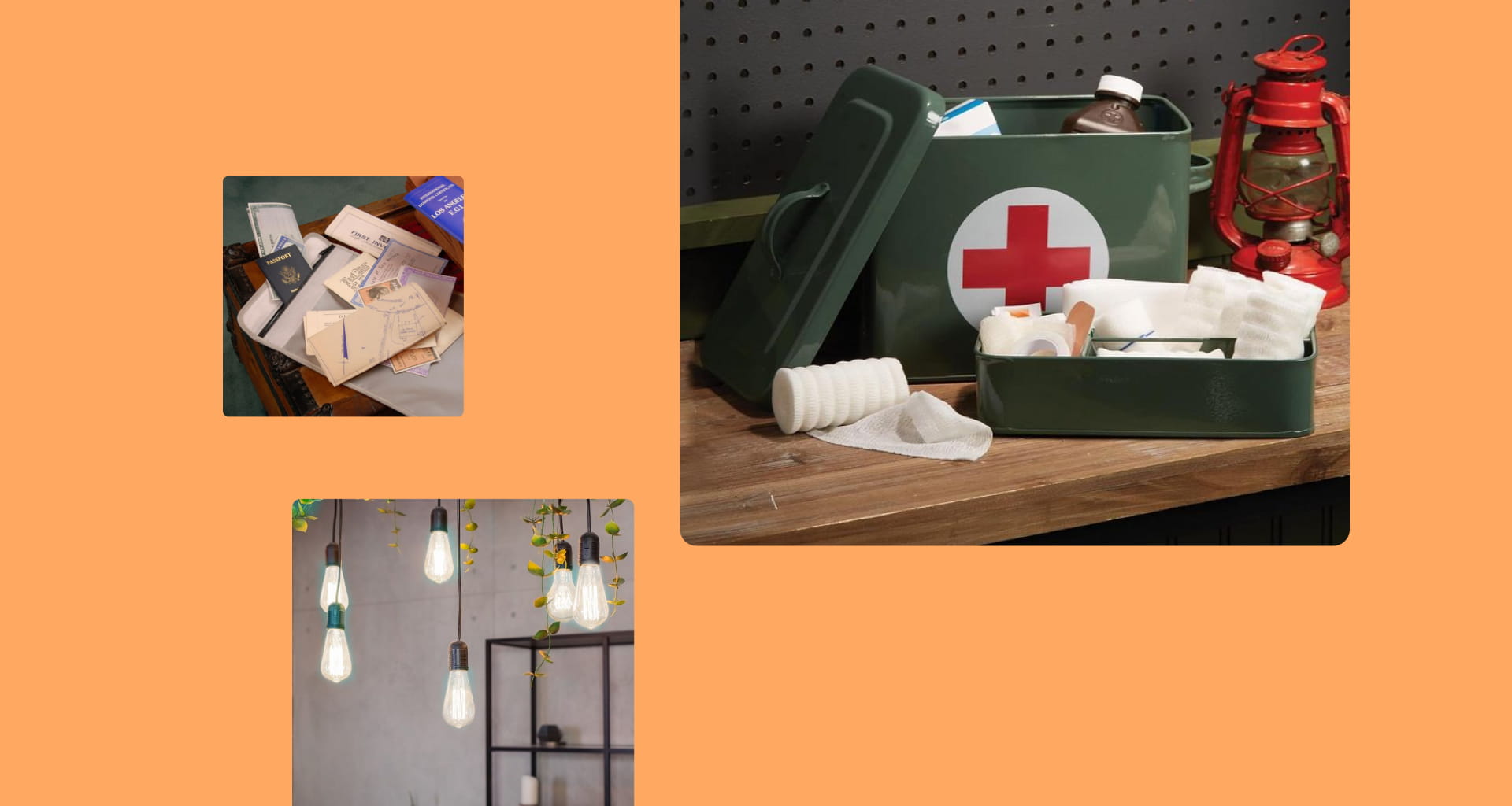
There are always a few miscellaneous items that don’t fit neatly into one room category but are absolutely worth having as you start out on your own:
- Light Bulbs: It’s a good idea to have a pack of spare bulbs (check the types your fixtures use – usually LED or incandescent of a certain wattage). Lamps you buy might not come with bulbs, and overhead lights will eventually burn out. This is the kind of item people often forget until they’re sitting in the dark.
- Extension Cords & Power Strips: New apartments often have fewer outlets than you’d like. A couple of extension cords and power strips will help you set up electronics or lamps exactly where you want them. Be sure any power strip is surge-protected for safely plugging in computers, TVs, etc.
- Batteries: Have a few packs of common battery sizes (AA and AAA are most common for remotes, clocks, etc.). If you have devices like smoke detectors or flashlights that take 9-Volt or D batteries, get those as well.
- Emergency Items: A basic first aid kit (bandages, antiseptic, gauze, tweezers, aspirin/ibuprofen, etc.) is smart for any home. Also consider emergency candles or a flashlight in case of a power outage. A small fire extinguisher (if you didn’t get one for the kitchen already) can be included here as well. Safety first!
- Important Documents & Safe Storage: As you move, you’ll accumulate important documents (lease agreements, insurance papers). Have a folder or filing box to keep these papers safe and organized in your new place. It’s not something you buy at the grocery store, but get an inexpensive accordion folder or small file box.
- Basic Pantry Staples: While not “things to buy for the apartment” in a furniture sense, don’t forget to stock a little food and pantry basics: some bottled water, coffee/tea, salt and pepper, cooking oil, and a few easy meals (like pasta and sauce, cereal and milk, peanut butter and bread). After a long moving day, having something on hand to eat (and the means to prepare it) is invaluable.
These miscellaneous items tend to be those little lifesavers that new movers might not realize they need until the moment arises. By acquiring them proactively, you’re avoiding those “Oops, I have to run to the store again” moments.
Smart Shopping and Planning Tips for First-Time Movers
Getting all these essentials is important, but so is how you get them. Here are a few final tips to stretch your budget and make your moving-out process easier:
- Make a Budget and Plan: Before you start shopping, determine how much you can afford to spend on setup items. Prioritize the must-haves (the first sections above) in your budget. Big expenses like a mattress or sofa will take a chunk of money, so plan for those first. Also remember you may need to pay deposits (rent, utilities) during your move, so factor those in. Having a simple budget will ensure you cover necessities without overspending early.
- Prioritize Essentials Over Decor: It might be tempting to buy cute decor, throw pillows, and wall art right away to personalize your place. Save those purchases for later. Get the functional items first – you can live with plain walls, but you can’t comfortably live without a kettle or a trash can. Focus on what will impact your daily comfort and health (bed, fridge food, hygiene items) and leave the aesthetic touches for once you’re settled.
- See What You Can Get for Free or Cheap: Outfitting an entire apartment can be costly. To save money, see if family or friends have spare items you can borrow or have – often people have an extra frying pan, set of plates, or piece of furniture in storage. Thrift stores, garage sales, and online marketplaces (Facebook Marketplace, Craigslist) in your area can be goldmines for things like chairs, tables, and bookshelves at a fraction of retail price. Just be safe and hygienic with second-hand (e.g., clean items well).
- Coordinate With Roommates (If Applicable): If you’re moving in with roommates, communicate before buying. You might not need three microwaves or multiple sets of pots. Split up who will bring or purchase each shared item. For example, one person buys the microwave, another buys a coffee maker, someone else brings a dining table. This way, everyone contributes and you avoid duplicates.
- Don’t Rush Everything at Once: It’s okay if you don’t have every single item on day one. Many people move out with the basics and then realize over the first few weeks what additional things would be helpful. As long as you have the true essentials (bed, toiletries, some kitchen capability, etc.), you can gradually acquire the rest. Holding off on non-urgent items can also give you time to shop around for sales or decide what you actually need. For instance, you might wait to get a desk or a dining table until you’ve lived in the space and know what size fits best.
- Think Long-Term for Big Purchases: For any significant furniture or appliance buys, try to choose items that are durable and neutral enough to move with you to future homes. Your first apartment might not be your last, so investing in a good mattress or a nice dresser can pay off in the long run, as you can take those with you. Meanwhile, cheaper temporary solutions (like using storage bins as a nightstand, or a cardboard box as a coffee table) are fine in the short term if you need to save up for the “real” thing you want.
By shopping smart and planning, you’ll make the process of moving out much less stressful and more cost-effective. You’ll also avoid ending up with stuff you don’t need. Remember, everyone’s needs differ slightly – your list might be a bit different if, say, you don’t cook at all or if your apartment comes furnished. Use the checklist above as a starting framework and adjust to your lifestyle.




