
The company that customers love
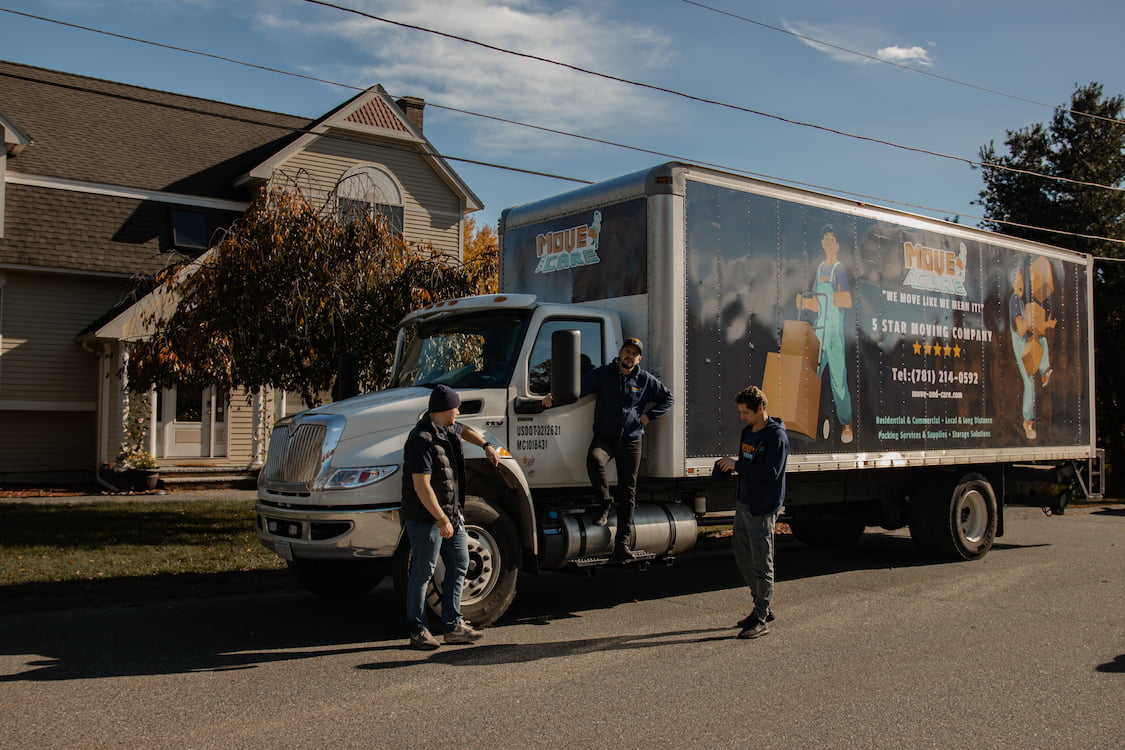
Move and Care strives to satisfy our client's needs 100%. Our company is well-reviewed, so we are not shy about showing over 2500 reviews of our company in Boston, Austin, San Antonio, Charlotte and Irvine! Explore the reviews and get an idea of our company.
Read Move and Care ReviewsThe company with a reputation
Move and Care has managed to become one of the best moving companies. Our company is based in Boston, MA; Austin, TX; San Antonio, TX; Charlotte, NC and Irvine, CA. We are also very familiar with San Francisco, CA and it is part of our area of work.
Check Our Licenses and Awards


Our Austin to San Francisco, CA Moving Services

Residential Moving
Service for smooth and easy family moves

Commercial Moving
Smooth business moving to keep the business running

Packing Services & Supplies
Complete packing help and quality materials

Storage Solutions
Safe storage spaces for your items, available anytime

Piano Moving
Skilled piano transport to maintain condition.

White Glove Moving
Moving services with extra care for valuable items

Senior Moving
Gentle and efficient relocations for seniors.
What Customers Say About Us
Influencers who move with Move & Care
Hear how creators and community leaders describe their move-day experience, from booking to the moment every box is in place.
Our Text Reviews
Know Your Moving Cost Today
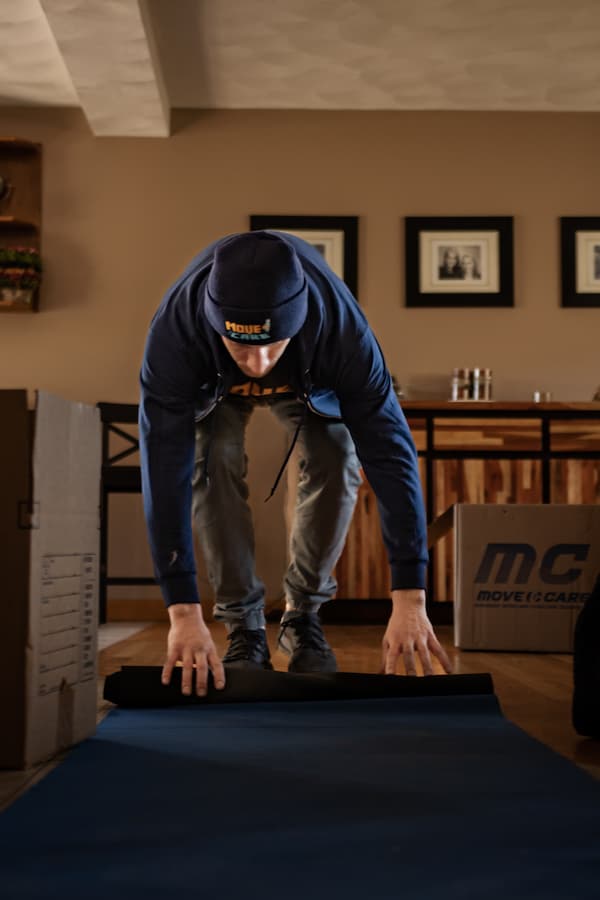
Why We're a Trusted
moving company from Austin to
San Francisco, CA
Choosing Move and Care for your move from Austin to
San Francisco, CA means the same crews that run our local moves in
Austin load the truck, and the destination is handled by a coordinator who
has driven the route.
When you choose Move and Care for your move from Austin to
San Francisco, CA, you get a moving crew that knows the ins and outs of long-distance moves — from careful packing to
on-time delivery — making the entire process smooth, quick, and safe.
More About us

Fully Licensed & Insured
We are legally authorized to handle moves of any type and distance. Licenses: USDOT #3212621; MC #1018431; MA DPU #31854; NCUC #C-3067; TXDMV #009636518C; ILCC #246812.

Cost Efficiency
We offer flexible pricing options. Flat rates with a binding moving quote and tailored plans — so you know exactly what to expect with no hidden costs.

Full-Service
We manage everything: careful packing, secure loading, route planning, delivery, and even unpacking at your new house.

Safety
Our movers use professional packing techniques, every truck is GPS-tracked, and insurance coverage is included — so your belongings arrive just as they left.
What you get by moving from Austin to San Francisco, CA with us?

Loading and Unloading
We will load into the truck and unload at a new place all of
your items.

Gas, Tolls
Our moving company rates include all the charges, no hidden
fees.

Dedicated Manager
Our dedicated manager will walk you through the whole moving
process.

Transportation
Our Company makes sure all of your belongings are safe during
delivery.

Moving Insurance
Insurance coverage helps save your items from unexpected
damages.

Assemble and Disassemble
We make sure your furniture is Assembled and Disassembled.




Our Licenses & Awards
We’ve helped over 5,000 people move safely — from single-bedroom apartments to 5-bedroom houses and full office moves. Our team has completed more than 1,200 long-distance moves across the U.S., always on time and with belongings protected. With licensed movers, GPS-tracked trucks, and full packing support, we make sure every step of your move is handled with care you can count on.
See Price Estimate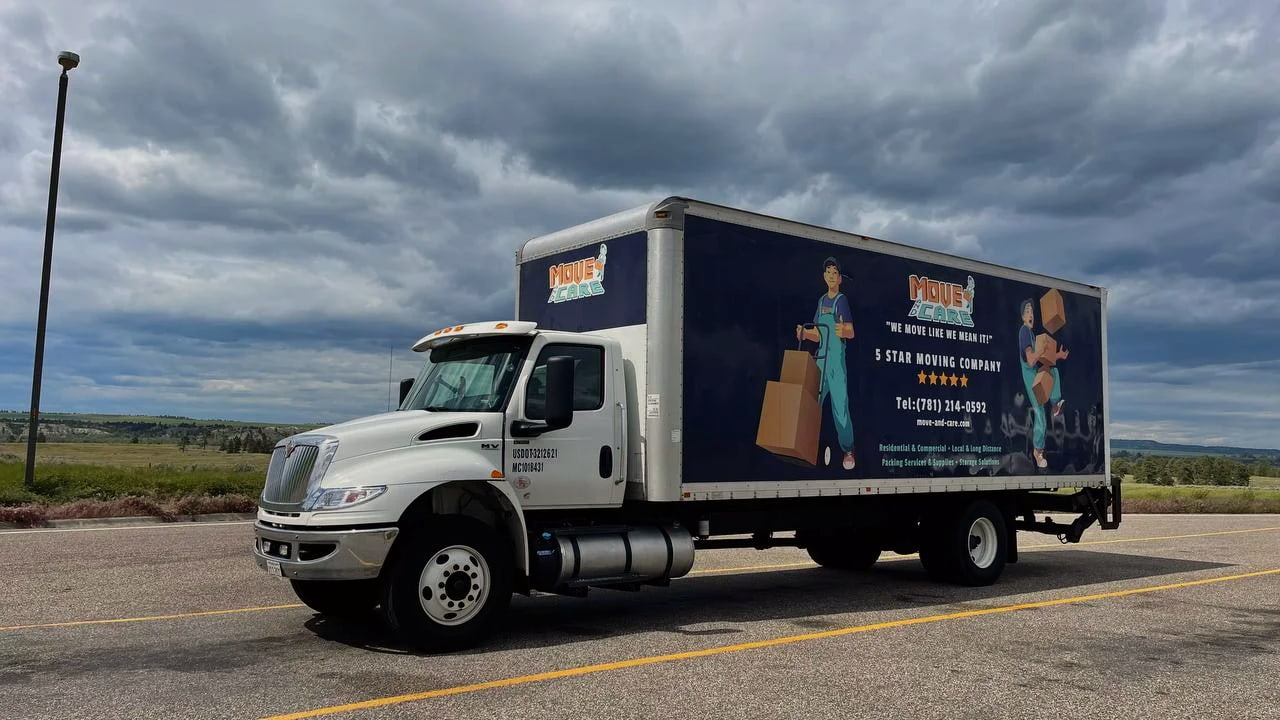

USDOT
3212621
MA DPU
31854
NCUC
C-3067
TXDMV
009636518C







Have Questions?
Ask Professional
What an Austin to San Francisco Move Costs
Most households on this route land between roughly $3,900 and $14,000, offices between $10,000 and $22,000 or more. The ranges below are planning figures for a move run by our own crew and truck, not quotes. What you pay comes from a written estimate built on a confirmed inventory, so fill out the quote form before budgeting around any published range, ours included.
| Type of Move | Estimated Cost Range |
|---|---|
| One-bedroom apartment | $3,900–$6,000 |
| Two-bedroom apartment | $5,500–$8,000 |
| Three-bedroom apartment | $7,500–$11,000 |
| Four-bedroom house | $9,500–$14,000 |
| Small office (up to 10 employees) | $10,000–$16,000 |
| Medium office (10–50 employees) | $14,000–$22,000 |
| Large office (50+ employees) | $22,000+ |
What sits inside the flat rate, and what is billed on top
Inside the rate: crew, truck, fuel, tolls, blankets, dollies, basic released-value protection, and the $50 equipment charge in every quote we write. Disassembly and reassembly is included for the specific items your estimate lists for it — it is not automatic for everything on the inventory, and mounting, installing or repairing items is not part of a move.
Billed separately, and worth pricing before you book: an upright piano is $160 and a baby grand $240; single items over 200 lb start at $60; hoisting an item through a window or over a stairwell is $40 per item per flight, which matters more in a San Francisco walk-up than almost anywhere else we go. Materials are priced per item — boxes from $6.50, tape $7, shrink wrap $10 — and are not folded into the move rate. Card payments carry a 3.5% processing fee and cash earns a 5% discount, so the payment method moves the final figure by a few percent either way.
How the Move Actually Runs, Day by Day
Before move day
We confirm the inventory, the services you selected, and the access at both ends: floor number, stairs or elevator, how far the truck will sit from the door, and whether the street can take a full-size vehicle. This is when to tell us about anything heavy or valuable — a piano, a safe, a pool table, artwork. If you pack yourself, use sturdy boxes rather than bags for anything fragile or heavy, tape the bottoms, and label by room. We are not responsible for damage to items we did not pack unless Full Value Protection has been purchased, so pack as though the box will be stacked.
Loading day in Austin
The crew pads and wraps furniture, takes down what needs to come apart, and builds a written inventory you sign before the truck leaves. Be on site or leave a named contact who can make decisions. Crews decline unsanitary items, and cannot disconnect water or gas lines, so have a plumber or the utility handle appliances beforehand.
On the road
Your shipment stays on our truck. No freight terminal, no transfer to a partner carrier, no point at which someone you have never spoken to takes custody of your belongings. That is the practical difference between a moving company that owns its trucks and a broker that sells the job on: the crews at both ends are ours, working from the inventory you signed in Austin.
Delivery day
We unload, reassemble the items your estimate lists for reassembly, and put things where you point rather than stacking them in the entryway. Walk the truck with the crew and check items against the inventory before they leave. If something is damaged, tell the crew then and there — they can complete a Damage Report on the spot. If you find it later, call the office within 96 hours so we can open the file while the details are fresh.
What Is Included and What Has to Be Confirmed Separately
Calling us a full-service moving company describes what we are able to do, not what is automatically in your price. The scope that counts is the scope written into your estimate. Confirmed and priced separately when you add them: packing and unpacking labor, billed hourly with materials priced on top; custom crating; storage, available when arranged and never free or open-ended; extra stops; labor-only help; white-glove handling; same-day or next-day pickup, which depends on the schedule and is never guaranteed; piano and specialty handling; heavy items and hoisting; handyman work and cleaning; and appliance preparation. Two things sit outside that list. We can provide a Certificate of Insurance when a building requires one. And parking permits, elevator reservations and dock time are the customer's to secure with SFMTA and the building. We advise on all three — what to ask for, how much space the truck needs, how long we expect to be at the elevator — and we don't file them as part of a standard move.
Standard offices, business furniture and ordinary office equipment are in scope. Industrial work is not — no production machinery, warehouse relocation, freight, laboratory or medical equipment.
Arriving in San Francisco: Curb Space, Buildings and Access
San Francisco is the part of this trip that most often costs people money they did not plan for, and nearly all of it is decided before the truck arrives.
The curb is the customer's job, and it needs more notice than people expect
SFMTA runs a Temporary Signage program that posts temporary tow-away, no-stopping signs to hold curb space for a moving van. Requests go through the SFMTA portal or by calling 311, which SFMTA counts as the application itself. Moving in, you are usually not the resident of the address yet on the day the signs have to be booked, so file it as the incoming tenant or owner once your lease or closing is in hand, or ask the property manager to file it for you. We tell you what it asks for, how much space a truck of your size needs and where it should sit, and we don't file it as part of a standard move.
Allow more lead time than the headline suggests. SFMTA wants a minimum of five business days between application and enforcement date, holidays excluded, and the signs then go up at least 72 hours ahead in an unmetered area, 24 hours in metered spaces. SFMTA's own worked example shows an application on the 5th producing a first enforcement date on the 14th, so plan on about nine calendar days. Moving windows start no earlier than 7am and end no later than 10pm. Under the fee schedule effective 1 July 2026, posting starts at $355 for one to four signs on a permit of up to three days, plus $21 per metered space per day; SFMTA sets the exact figure after staff inspect the block, so treat that as a floor. Temporary signs do not override street sweeping, an existing no-stopping sign or a red curb. A portable container instead of a truck is a different permit, issued by San Francisco Public Works.
The 22-foot rule, and why a working truck is fine
San Francisco limits any vehicle over 22 feet long or 7 feet high to two hours of parking citywide, which catches every full-size moving truck. The code carves out an exception for the time the vehicle is actually being loaded or unloaded, so a crew that is working is covered; a truck sitting idle or parked overnight is not. One more reason to have the curb reserved and the elevator booked in advance.
Buildings, COIs and elevators
Plenty of San Francisco buildings never ask for anything. Some — mostly downtown and SoMa high-rises and managed HOA buildings — want a Certificate of Insurance and a booked freight elevator before a crew comes through the door. Ask early rather than on move week, and if they do want a COI, send us the exact requirements: building name, property manager contact, certificate-holder wording, any additional-insured wording, required coverage limits, move date and address, and where to email it. Certificate holder and additional insured are not the same thing, and a COI with the wrong one gets rejected. Elevator holds and dock windows you book with the building; we tell you how long we expect to need.
Hills, walk-ups and whether the truck fits
Grade and street width decide more about a San Francisco delivery than any rule does. Whether a full-size vehicle can turn onto your block, stop and work there is a question of geometry — width, slope, turning radius, parked cars — not of willingness. We go through access with you before move day, and if your block cannot take a full-size vehicle we flag it during the estimate and agree the approach with you in writing rather than discovering the problem with your sofa on board. Walk-ups are the other variable: a fourth-floor carry, a narrow staircase or a piece that has to come out through a window changes crew size and time, which is why hoisting is priced per item per flight and why we ask for stair counts up front.
Your own car, once you get there
A Residential Parking Permit will never cover the moving truck — SFMTA does not issue them for non-electric vehicles over 6,000 lb, electric vehicles over 8,000 lb, or trailers. The permit is for your car after you arrive. Register and insure the vehicle at the new address first; the DMV change takes a couple of business days to appear before you can apply. An RPP exempts you from posted time limits but not from meters, the 72-hour rule or a colored curb.
The Route, and What Shapes the Schedule
The Austin to San Francisco run is about 1,760 road miles by the shortest sensible routing, give or take depending on the exact addresses. Trucks leave Austin on US-290 west, pick up I-10 through El Paso, Tucson and Phoenix into Southern California, then run north on I-5 up the Central Valley before crossing west on I-580 and taking I-80 over the Bay Bridge. It is the shortest and quickest of the realistic options — the northern route across I-40 adds about twenty miles and an hour. Note that I-5 does not itself reach the city, which is why the last stretch is I-580 and the bridge.
How long it takes is set by federal hours-of-service rules, not by how quickly anyone wants to arrive. A driver may drive 11 hours inside a 14-hour on-duty window, then has to take 10 consecutive hours off, with a 30-minute break after eight cumulative hours of driving. At this distance that is several days of driving on its own, before a loading day and an unloading day are added. Whether your shipment travels on a dedicated truck or alongside another job also changes the window, and that should be settled in the estimate rather than assumed. Weather across the desert stretch, traffic in the Los Angeles basin and building access at either end all move the number. We work to the pickup and delivery windows written on your bill of lading. If either window has to move, federal rules require us to notify you as soon as the delay is apparent and to record the amended dates — we send them to you in writing. The FMCSA sets out the rest of your rights on its consumer rights page.
On scheduling: search interest for moving services in Texas runs highest May through August and lowest in December and January — a proxy for demand rather than a measure of it, but it matches our calendar. Summer means booking earlier, and starting the curb permit conversation earlier too, because the nine-day sign lead time does not shrink because the calendar is busy. December and January are where the schedule has the most give.
The authority that matters here is USDOT #3212621 and MC #1018431 — the federal registration and the for-hire operating authority that let us carry household goods across a state line. Our state numbers (TXDMV #009636518C, MA DPU #31854, NCUC #C-3067) cover intrastate work and are not what authorizes a move into California. Federal rules under 49 CFR Part 375 govern the paperwork on an interstate move — the written estimate, the signed inventory you get before loading, the bill of lading that carries your pickup and delivery windows, and the valuation option you choose.
Moving in the Other Direction
Plenty of this route runs the other way — Bay Area households heading to Central Texas, with a different set of questions about property taxes, summer heat and what the arrival end looks like. If that is your direction, we wrote it up separately: moving the other way, San Francisco to Austin. Same crews, same trucks, same flat-rate structure; the permits, parking and building rules simply swap ends.
More About PricingF.A.Q. about moving from Austin to San Francisco, CA
On this route most households fall between about $3,900 and $14,000, and offices between $10,000 and $22,000 or more. A one-bedroom apartment typically runs $3,900 to $6,000 and a three-bedroom $7,500 to $11,000. Those are planning ranges, not quotes. Because a Texas to California move crosses a state line it is priced as a one-time flat rate built from a confirmed inventory, services, access details and date, so the written estimate is the number that counts.
The agreed pickup and delivery window goes on your bill of lading before the truck loads. Federal hours-of-service rules cap a driver at 11 hours of driving inside a 14-hour window, followed by 10 hours off, so roughly 1,760 miles means several days of driving before a loading day and an unloading day are added. Whether the truck runs dedicated or shares the schedule with another job also matters. Be wary of any mover promising a guaranteed arrival date without acknowledging those limits.
No. Move and Care is a licensed interstate carrier operating under USDOT #3212621 and MC #1018431, with trained crews and trucks we own. Your shipment is loaded by our crew, stays on our truck, and is unloaded by our crew. There is no freight terminal, no transfer and no third-party carrier taking custody along the way. Brokers resell the job to whoever bids lowest, which is why the company you spoke to is often not the company that shows up.
You do, or someone acting on your behalf. Requests go to SFMTA's Temporary Signage program through the SFMTA portal or by calling 311, which SFMTA counts as the application itself. Arriving from Austin you are usually not the resident yet on the day the signs have to be booked, so file it as the incoming tenant or owner once your lease or closing is in hand, or ask the property manager to file it for you. We advise on what to ask for, including how much curb space a truck of your size needs and where it should sit, and we don't file it as part of a standard move. Allow about nine calendar days: SFMTA asks for a minimum of five business days between the application and the first enforcement date, and the signs have to be posted 72 hours before enforcement in unmetered areas, 24 hours in metered spaces.
A container is usually cheaper on the invoice and more expensive in your own time. You load it and unload it yourself, it sits on the curb or the driveway while you do, and it travels on a shared schedule. With us the crew does the lifting, the shipment travels with us, and the price is one flat rate agreed before we load. There is a second difference on this route worth knowing: a container left on a San Francisco street needs a San Francisco Public Works permit rather than the SFMTA moving signage, and either way securing it is on you. Compare what each quote actually includes rather than the headline number.
Many buildings never ask, so check with yours rather than assuming either way. Downtown and SoMa high-rises and managed HOA buildings are the ones most likely to require one alongside a booked freight elevator. When a building requires a COI, we can issue one. Send the exact requirements early: building name, property manager contact, certificate-holder wording, any additional-insured wording, required coverage limits, move date, address and submission email. Certificate holder and additional insured are different things, and the wrong one gets rejected.
Flammable liquids, gasoline and propane containers, firearms and explosives cannot go on the truck under any circumstances. Crews will also decline items that are unsanitary, and they are not permitted to disconnect water or gas lines, so have a plumber or the utility handle appliance disconnection beforehand. Plan to move fuel, aerosols, paint and cleaning chemicals yourself or dispose of them, and drain fuel from anything with a small engine before move day.
The basic option is released-value protection, and it is a liability limit rather than a payout: 60 cents per pound, per article. It goes by weight, not by what an item cost, so a heavy inexpensive thing is covered better than a light valuable one. It applies by default at no additional charge. Full Value Protection is a paid option and should be arranged while the estimate is being written, not after something goes wrong. Neither option is insurance, and household policies differ on whether they cover goods in transit, so it is worth one call to your own insurer before move day. If anything arrives damaged, tell the crew on the spot so they can write a Damage Report, or call the office within 96 hours if you spot it afterwards.

Our Instagram Profile


Contact Us
Fast, Fair Moving Estimate
Clear pricing. Certified pros.
Careful handling.
Start your smooth move with Move and Care.




